
Longmont Song Swap – October 2025
Table of Contents
- Overview
- The three-round format that makes the night sing
- Spotlight on the songwriters
- Songs and stories worth studying
- How these performers work — practical takeaways
- Getting involved in the song swap community
- FAQ
- Final notes
Overview
Longmont Song Swap brings singer-songwriters from the Front Range together for a rich evening of originals, covers, and peer interpretations. The format is simple and generous: each performer plays two originals, then a cover that influenced them, and finally a rendition of a fellow songwriter’s tune. That three-round structure creates an open space for storytelling, craft talk, and community music-making.
The three-round format that makes the night sing
The structure is worth noting because it forces two things that matter to songwriters: first, disciplined preparation; second, generosity. Each round highlights a different skill set.
- Round One — Two originals from each artist; pure authorial voice.
- Round Two — A cover that influenced or inspired the performer; a peek at musical lineage.
- Round Three — One performer covers another performer’s song; interpretive choices and community cross-pollination.
That last round is the reveal: you hear how a songwriter you know reimagines a peer’s work and the result is often both familiar and surprising.
Spotlight on the songwriters
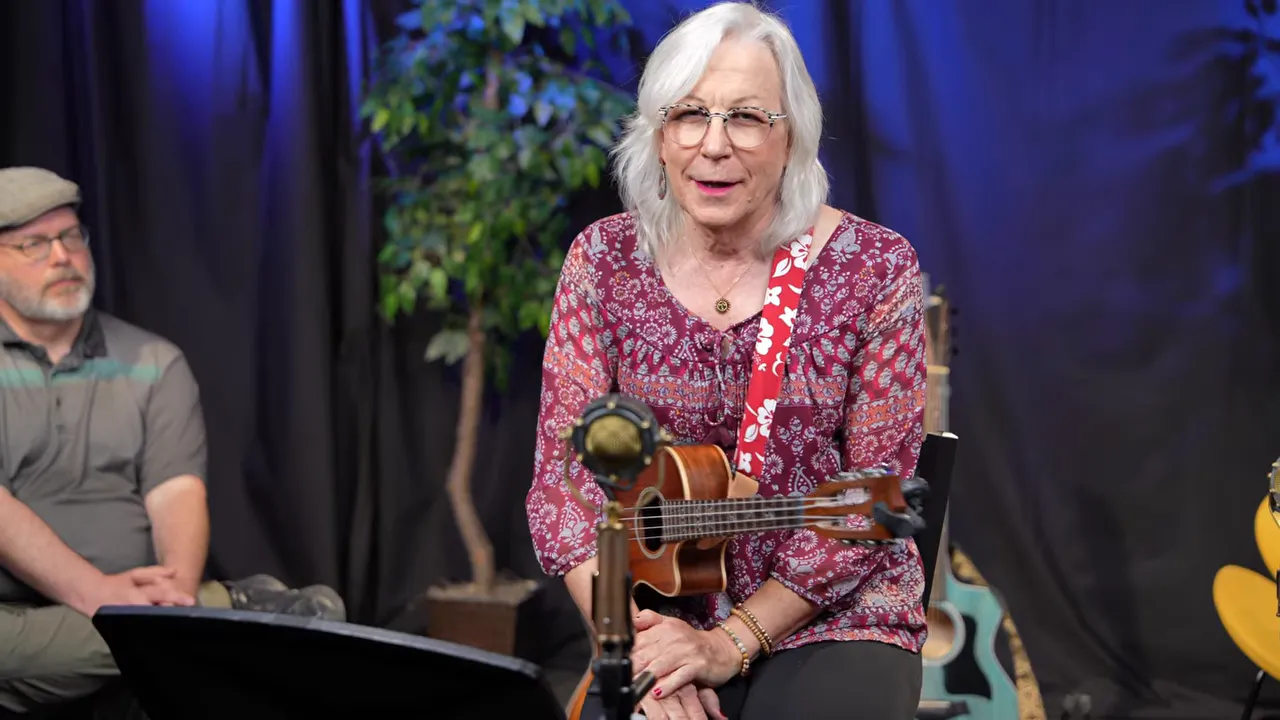
Joy Iwancio — candid storytelling and hard-won hope
Joy opens with warm, narrative songs grounded in detail. One early tune uses train travel and rivers as symbolic checkpoints — she explains that writers often feel compelled to write a train song at least once. The emotional highlight is a new, intimate coming-out piece written toward her mother.
I’m your girl and I’ve been here… I had to hide from a world that had no place for me.
Joy describes that song as settled and deeply personal. Her cover choice in the second round, a song co-written by Molly Tuttle and Melody Walker, became a way to claim difference proudly. She says, simply, “I am a crooked tree. I am different, but I am growing stronger.”
Anne Byrne — vignettes, tenderness, and craft
Anne writes in short, luminous vignettes. One song, “When Love Is Your Compass,” stitches together scenes — a couple dancing in a restaurant, a protective brother, a final trip to see a dying father — into a single thematic claim: love acts as a guiding compass.
When love is your compass, your heart knows just what to do.
Her second song that evening is a fresh grief piece written after a friend died on a bike ride. Anne starts with lyrics, then shapes arrangement by matching tempo and dynamic to the emotional tone — a reminder that words often guide the musical choices for lyric-first writers.
Pony Lee — raw honesty, memorable characters
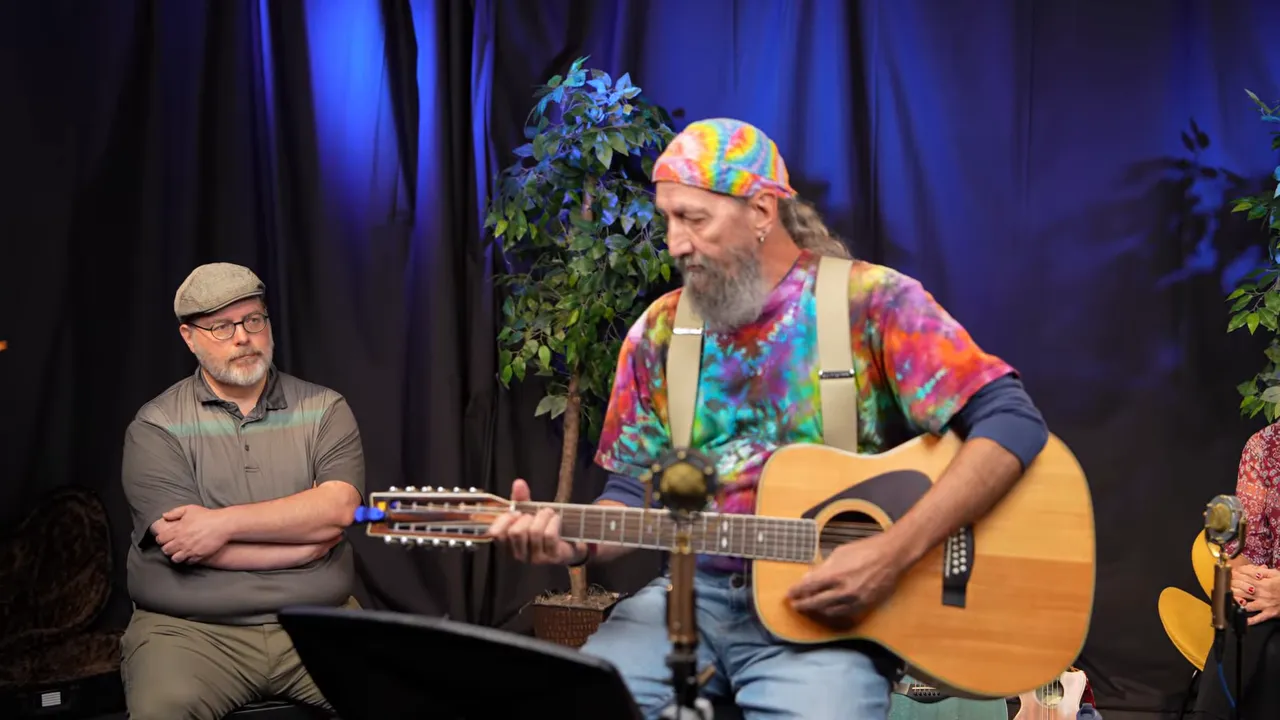
Pony alternates between fierce, short-form storytelling and buoyant, almost playful tunes. He offered a pair of songs written for and about friends: a raw tribute to Willow Song Holler, a woman he cared for who struggled with addiction, and a lighter companion piece, “Dandelion,” which captures free-spirited memory.
Willow’s song… I thought I wrote this song for her and in the end I realized I wrote it for me as much as I did for her.
Pony’s process includes long-form revision (he once condensed a 15-minute piece down to a stage-friendly length) and moments of sudden inspiration — at least one song landed as a dream lyric that wrote itself.
Songs and stories worth studying
A few threads run through the performances that are useful to any songwriter or listener who wants to understand craft:
- Specificity makes universality. Anne’s vignettes and Joy’s coming-out letter show how concrete details (a bag of clothes under the stairs, a scar on an elbow, a train route) unlock empathy.
- Arrangement amplifies meaning. A change from strummed chords to fingerpicking, or from a slow tempo to a jazzy up-tempo, alters the emotional reading without changing the lyric.
- Cover choices reveal influences. When a writer covers an influential song — Neil Young’s classic or a contemporary bluegrass tune — their selection tells a story about lineage, aspiration, and technique.
- Peer interpretations are education. Hearing a colleague’s song reframed — Joy taking on Anne’s “Bending Toward Justice” in a gospel-tinged, faster style — demonstrates interpretive choices, breath points, and phrasing trade-offs.
How these performers work — practical takeaways
For songwriters, the evening offers actionable practices:
- Start with the lyric — if you are a lyrics-first writer. Let phrase length and natural speech guide chord and rhythm choices.
- Allow songs to evolve — a piece can sit for a year, or be written in a dream. Both paths are normal.
- Be brave with covers — analyze a favorite piece from melody, chords, and arrangement, then write a new song borrowing those elements in a fresh context.
- Practice peer covers — learning another local writer’s song stretches your interpretive muscles and deepens community ties.
Getting involved in the song swap community
The swap runs roughly quarterly and welcomes local songwriters. If you want to participate, look for community organizations that host listening rooms, open mics, or song swap nights. Bringing a prepared pair of originals, a cover you love, and the courage to reinterpret someone else’s tune will set you up to make the most of the format.
FAQ
How is the Longmont Song Swap structured?
What should a performer prepare?
How do covers help my songwriting?
What kinds of songs connect best in this setting?
Can I attend even if I do not perform?
Final notes
An evening like this showcases more than songs: it reveals the small rituals and decisions that make songwriters. Writing that begins with a single line, a memory, or a dream; the choice to rework a long-form piece; and the generosity of covering a colleague — those are the practices that build long-term craft and community.
If you write songs, consider swapping one you love with someone else. The perspective shift will teach you something about your own work and, often, make both songs feel newly alive.
