Senior Citizens Advisory Board – December 2025
Table of Contents
- Overview
- Bylaws and Governance: Clear language, fewer surprises
- Budget realities and where the board can make a difference
- Outreach: moving from ideas to a plan
- Cultural exchange and community building
- Technology and facilities: an investment to expand access
- Programs, volunteers, and operations
- Board recruitment and structure
- Action items and next steps
- FAQ
- Closing thought
Overview
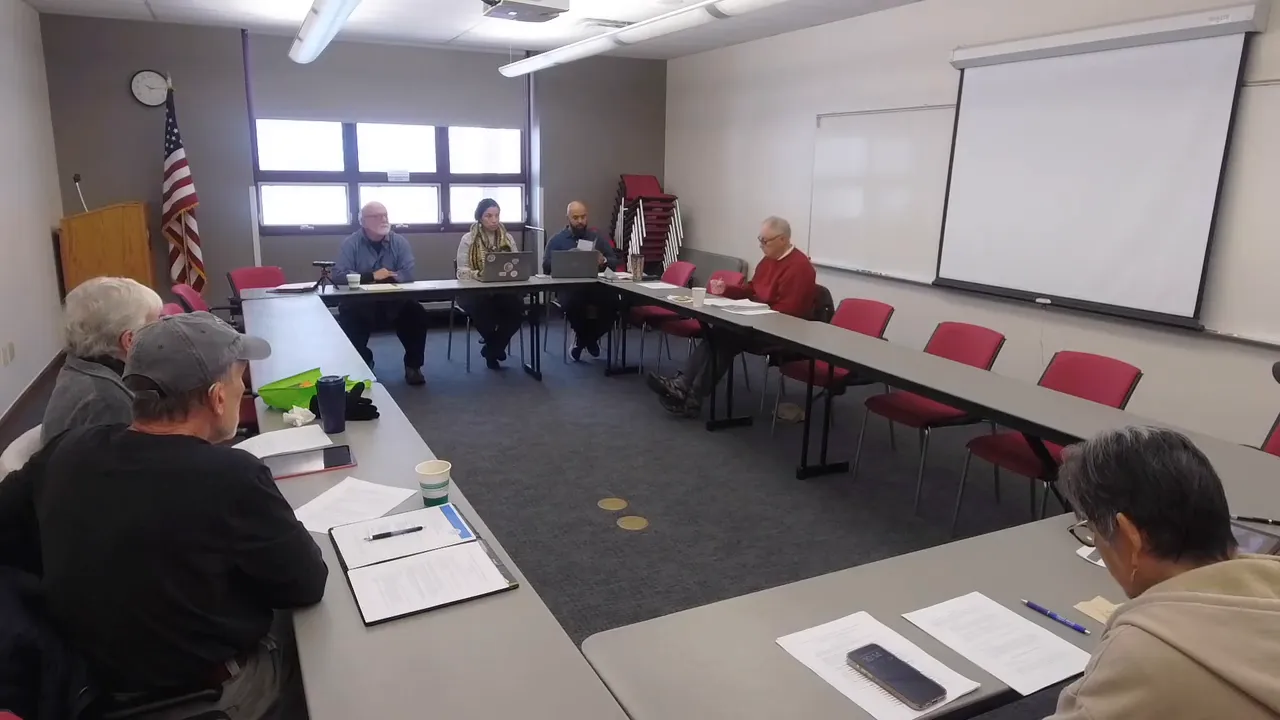
The December meeting focused on strengthening governance, sharpening budget advocacy, and relaunching community outreach for Longmont seniors. Conversations ranged from clarifying bylaws language and quorum rules to practical next steps: forming an outreach committee, mapping senior hotspots across the city, preparing a concise outreach packet, and getting new classroom technology in place. Several items will feed directly into next year’s budget requests and public-facing work.
Bylaws and Governance: Clear language, fewer surprises
The board agreed a small but important wording change would prevent future confusion: define quorum based on the number of appointed members, not merely the authorized positions. That makes the calculation straightforward when seats are unfilled — for example a board with seven appointed members needs four for a quorum.
Budget realities and where the board can make a difference
Staff explained that most of the senior services budget is driven by fixed costs — salaries, benefits, and centrally managed operating accounts — leaving limited discretionary funds for local decisions. Program budgets (the recreation cost-recovery pool, the small supply funds, and the Friends-funded support services) are more flexible but still modest.
Instead of focusing solely on requests to the center director, the board decided to use a layered advocacy approach:
- Collect operational data to demonstrate need (appointments, wait times, program attendance).
- Use those data in formal budget requests prepared by staff.
- When necessary, bring the story to city leadership — council members, the city manager, and assistant city managers — so the needs are visible at decision points that matter.
Outreach: moving from ideas to a plan
Outreach rose to the top as the board’s priority for early 2026. The group wants to do three things simultaneously: identify where seniors live and gather, develop a short, consistent presentation and handout, and begin visiting community groups and properties to ask seniors directly what they want.
Practical steps the board agreed on
- Form an outreach committee that meets before the regular advisory meeting (proposed: an hour earlier on meeting days).
- Create a compact one-page handout or postcard with a QR code linking to senior services information.
- Draft a short script and a consistent pitch so every board member sends the same message at presentations.
- Target groups: housing authority meetings, senior living facilities, Neighborhood Leadership Association, Longmont Multicultural Action Committee, Kiwanis, churches, and distribution points for the GO magazine.
- Use existing data sources (for example the Boulder County Health Index Services Map) to prioritize neighborhoods with high concentrations of residents 55 and older.
The board set a modest timeline: have outreach materials and a draft plan ready by January and aim to be actively visiting sites by spring, with a goal of being in action by April.
Cultural exchange and community building
A highlight of the meeting was a short film and summary about the recent cultural exchange with members of the Northern Arapaho community. The exchange included a welcome dinner, museum visits, quilting conversations, and a trip to the Wind River Reservation. Board members described the experience as deeply moving and educational.
“It was a life-changing experience for them.”
Key takeaways from the exchange:
- Cultural bridge-building matters. Small, human interactions — sharing meals, telling stories, quilting together — created lasting connections.
- Acknowledging history and listening to the lived experiences of tribal members helps the city and seniors better understand local history and contemporary needs.
- There is momentum and funding support to continue these exchanges next year.
Technology and facilities: an investment to expand access
The Friends of the Longmont Senior Center approved a major classroom technology upgrade: replacing aging overhead projectors and whiteboards with fixed smart boards in every classroom. The project was funded at approximately $193,000 and will standardize presentation and virtual-hybrid capabilities across rooms. The upgrade will:
- Make remote or hybrid programming more feasible in every classroom.
- Improve audio-visual quality so larger presentations can be heard and seen from the back of the room.
- Support better scheduling and an electronic room scheduler display, replacing paper sheets at room doors.
This will allow more varied programming and smoother virtual integration — a direct answer to participant demand and waiting lists.
Programs, volunteers, and operations
Other operational notes the board covered:
- Food table distributions continue; volunteers are encouraged for the next event (December 13).
- Friends-funded transportation investments (two vehicles) reduced day-trip wait lists and freed up capacity for recreation participation.
- Staffing: one therapeutic recreation coordinator position became vacant and will be posted jointly with recreation; the board expects interviews in early 2026.
Board recruitment and structure
The advisory board currently has openings and will recruit two new members in the coming months to reach the full authorized complement of nine. The group discussed tapping the Friends membership, service volunteers, and neighborhood leaders to find active candidates who can help with outreach and governance.
Action items and next steps
- Outreach committee to meet prior to the next advisory meeting; work with staff to draft a one-page outreach flyer and standard script by January.
- Use county and city data layers to prioritize neighborhoods with a high concentration of residents 55 and older.
- Collect simple, repeatable metrics on operations: monthly support-service appointments, wait times, program attendance, and trip participation. Use these in budget requests.
- Schedule presentations with target groups in early spring — Housing Authority meetings, LMAC, Kiwanis, senior living facilities, and the GO magazine distribution points.
- Monitor the classroom technology rollout and document how new capabilities increase program offerings and access.
FAQ
How will the board influence the budget if most costs are fixed?
What will outreach look like and when will it start?
How will technology upgrades affect programming?
How can someone join the advisory board?
What metrics will the board use to justify requests?
Closing thought
Small policy changes, clear data, and consistent outreach create leverage. By clarifying bylaws, collecting and using operational data, and rebuilding an intentional outreach pipeline, the advisory board expects to strengthen services and make a more persuasive case for resources in 2026. The emphasis is practical: tell a consistent story, meet people where they are, and let the numbers guide advocacy.