Where Does My Recycling Go? A Longmont Guide to Recycling Right
Every recycling day in Longmont is an opportunity to turn yesterday’s waste into tomorrow’s resources. What goes into your curbside bin makes a bigger difference than many imagine. Recycling works, but only when we recycle it right. A handful of thoughtful actions at home helps keep materials clean, protect the people who sort them, and send usable streams back into local businesses and manufacturers.
Table of Contents
- Why recycling right matters
- What belongs in a Longmont recycling cart
- Common contamination — what to avoid
- From curb to conveyor: How recycling travels in Longmont
- What are bales and end markets?
- How recycled materials become new products
- Why recycling benefits Longmont residents and businesses
- Longmont’s diversion goals and the role you play
- Practical tips to recycle right — a checklist
- Common mistakes and how to fix them
- How to support stronger local recycling markets
- Practical scenarios you might encounter
- What happens when recycling is rejected?
- Measure the impact: tons diverted and local pride
- How to get started or do more
- FAQ
- Closing thoughts
Why recycling right matters
Putting the right items in your recycling cart is not just a nicety. Anything that does not belong is considered contamination. Contamination can be as innocent as leftover food, or as dangerous as batteries tossed in with cans. Contaminated loads slow down processing, damage equipment, harm workers, and ultimately mean perfectly recyclable materials end up in the landfill.
When recyclables are clean and correctly sorted, the system can do its job: sorting, baling, and selling material to end markets that turn it into new products. This keeps valuable resources in circulation, reduces the need to extract or manufacture raw materials, and protects the environment Longmont residents cherish.
What belongs in a Longmont recycling cart
Longmont collects a straightforward set of commonly used items. Keep these in mind when filling your bin:
- Paper products – office paper, mail, newspapers, magazines
- Cardboard – flattened boxes, shipping cartons
- Paper cartons – milk and juice cartons
- Aluminum cans – beverage cans and clean food cans
- Steel cans – soup and vegetable cans
- Glass – bottles and jars
- Plastics – many bottles, jugs, and rigid containers (check local guidance for types)
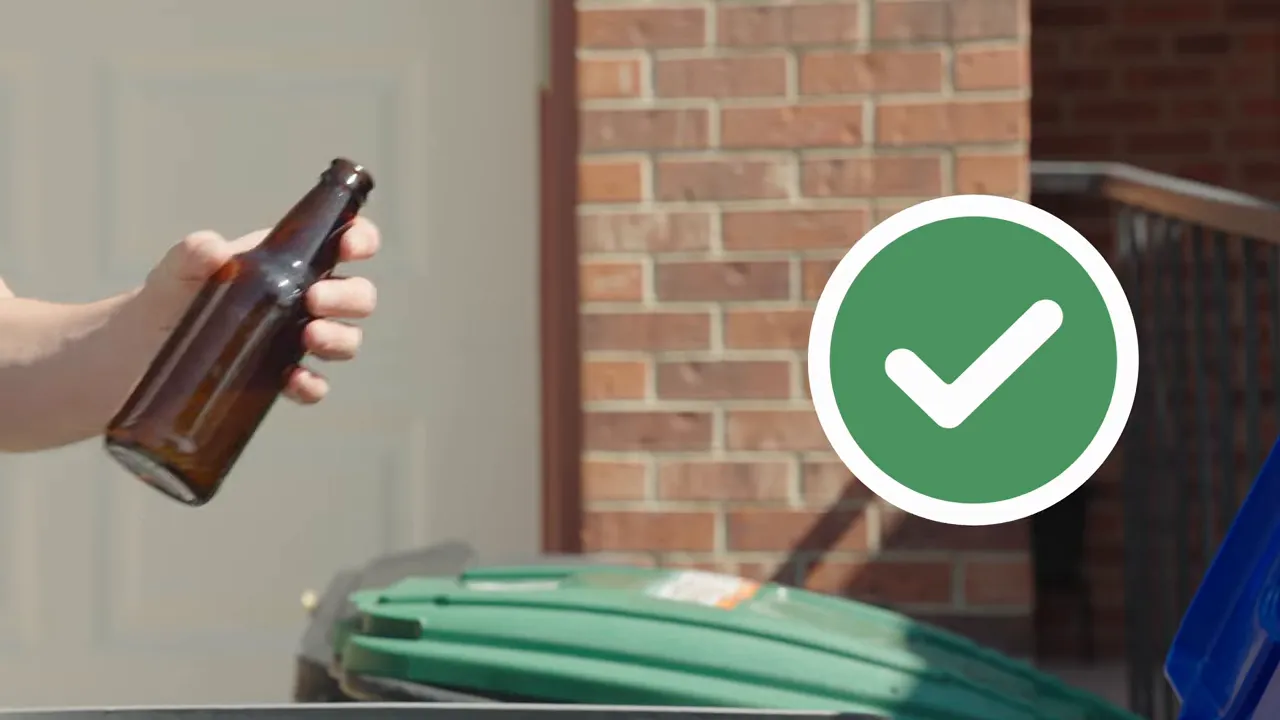
Following these guidelines will help keep your recycling load useful to processors and attractive to buyers who convert recovered materials into new products.
Common contamination — what to avoid
Contamination is a mix of materials that do not belong in recycling or items that have been compromised so they cannot be processed safely and cleanly. Examples include:
- Food scraps and greasy pizza boxes
- Pet waste and diapers
- Batteries, needles, and other hazardous items
- Loose plastic bags and “tanglers” (these jam machinery)
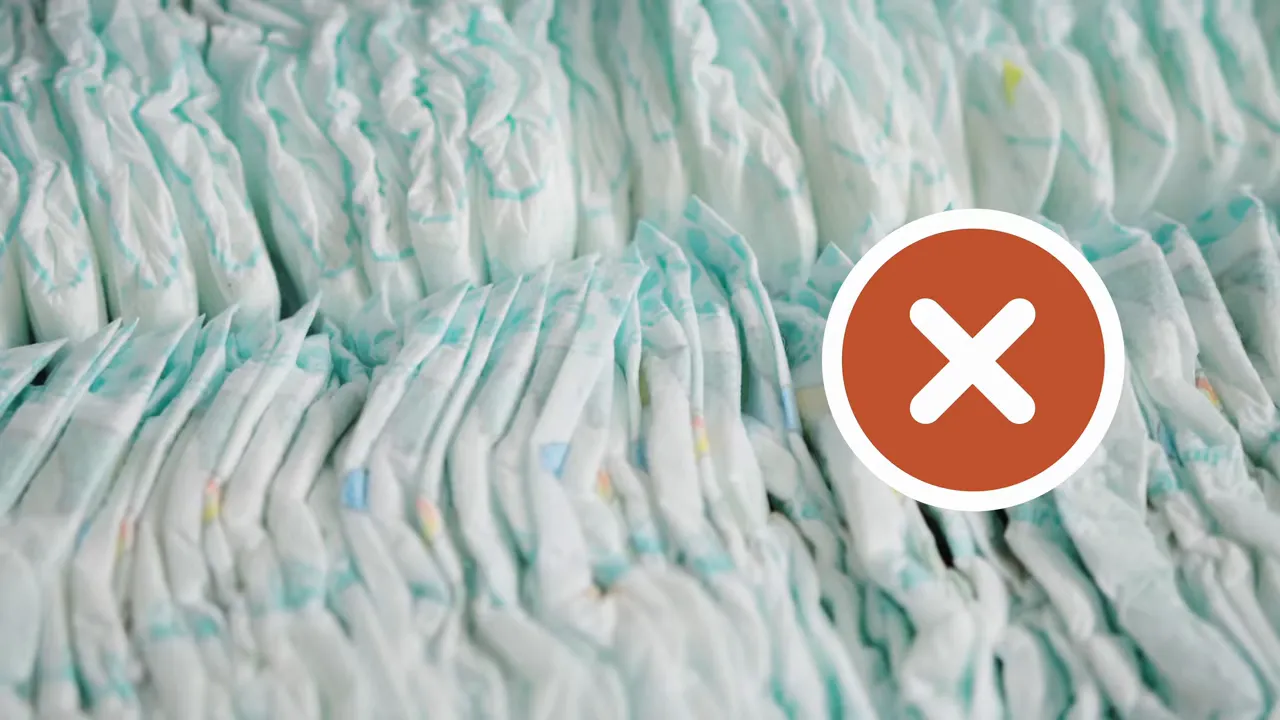
Some of these items are dangerous to the people who handle and sort recycling. Batteries can spark and start fires. Diapers introduce biological contamination. Even a small amount of contamination can force an entire load to be landfilled.
From curb to conveyor: How recycling travels in Longmont
Understanding the path recyclables take helps explain why your efforts at the curb matter. The process is straightforward but depends on a series of coordinated steps:
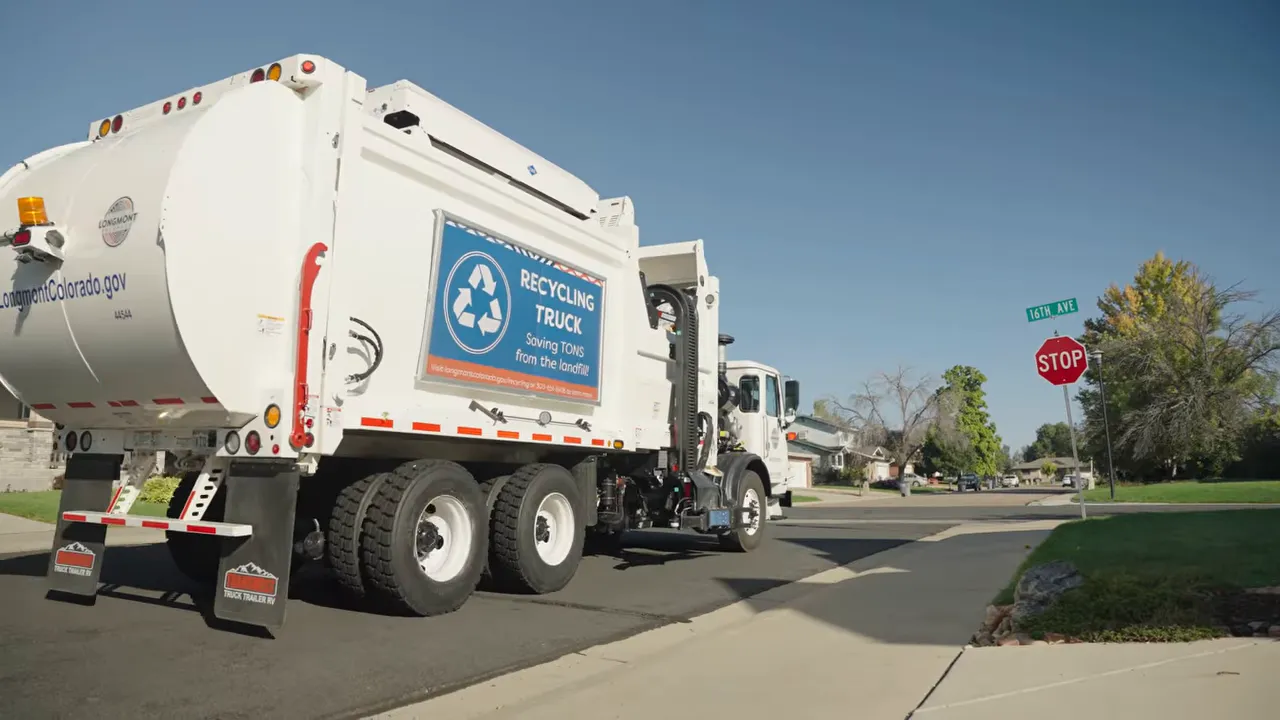
- Collection — City trucks pick up recycling from neighborhoods, businesses, and schools.
- Tipping — Trucks empty materials onto the recycling center tipping floor.
- Sorting — A combination of people and machines separate materials by type.
- Baling — Sorted streams are compacted into bales that are market-ready.
- Shipping to end markets — Buyers collect bales and turn materials into new products.
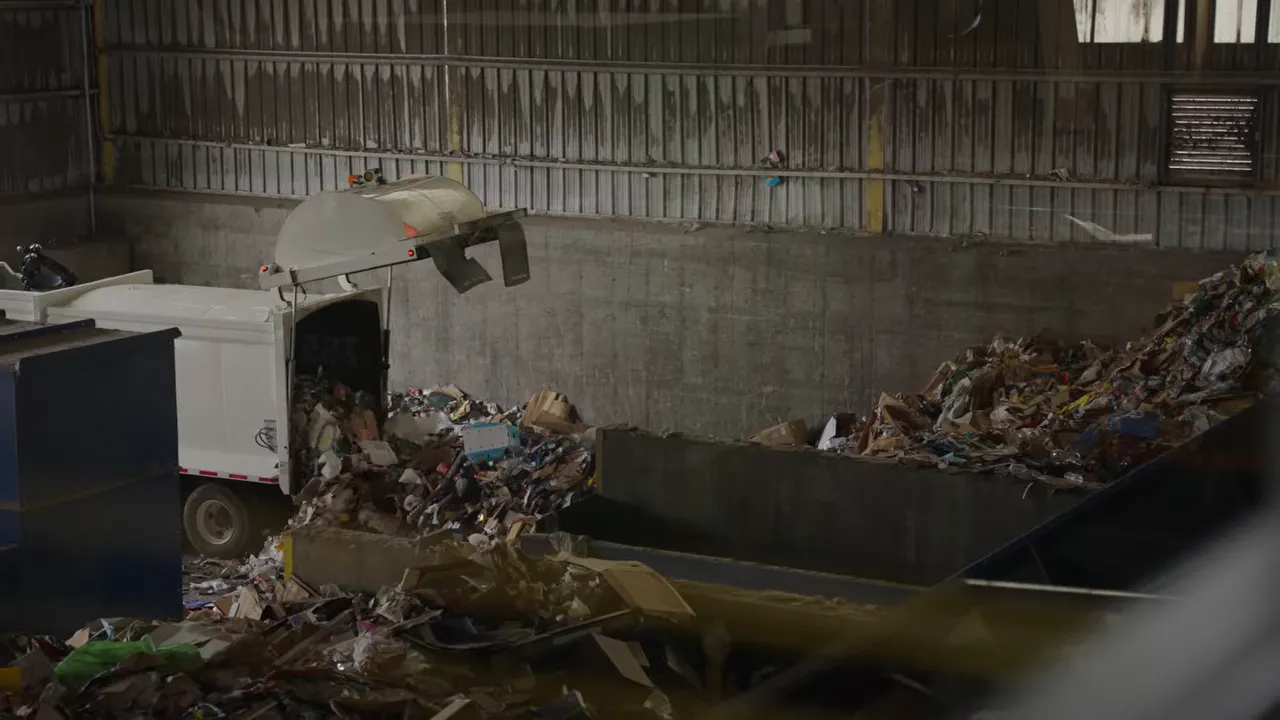
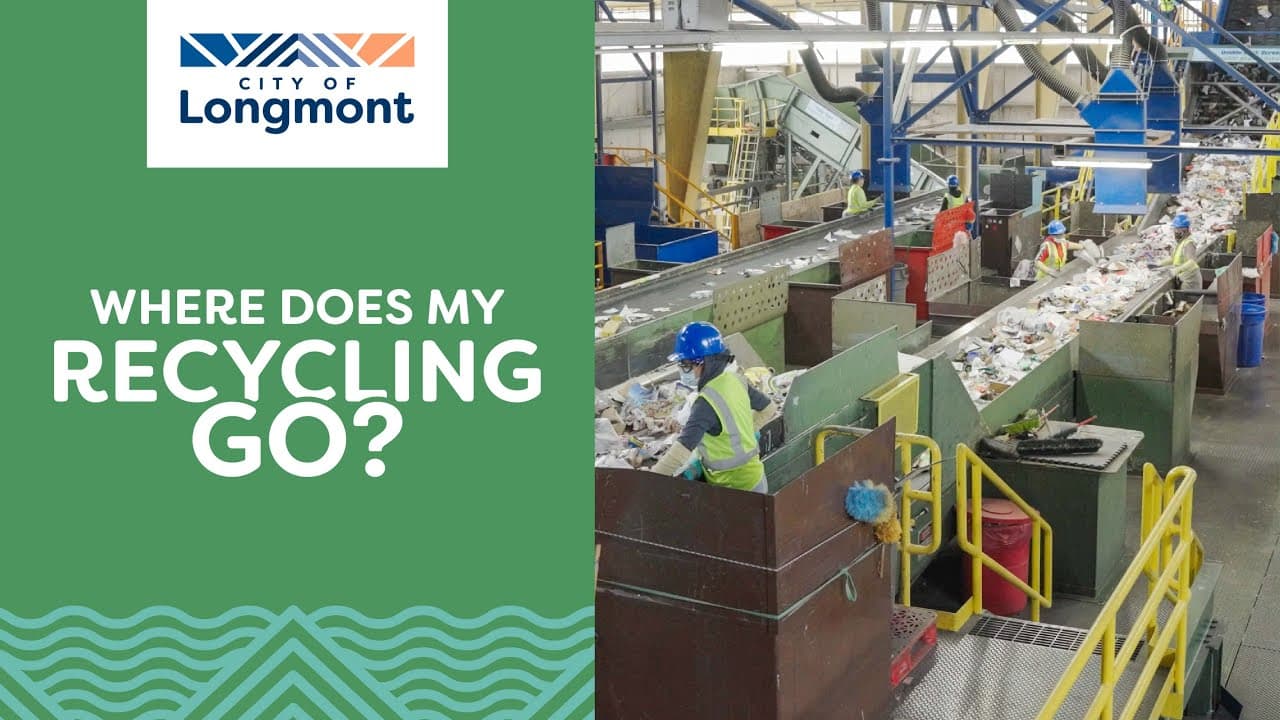
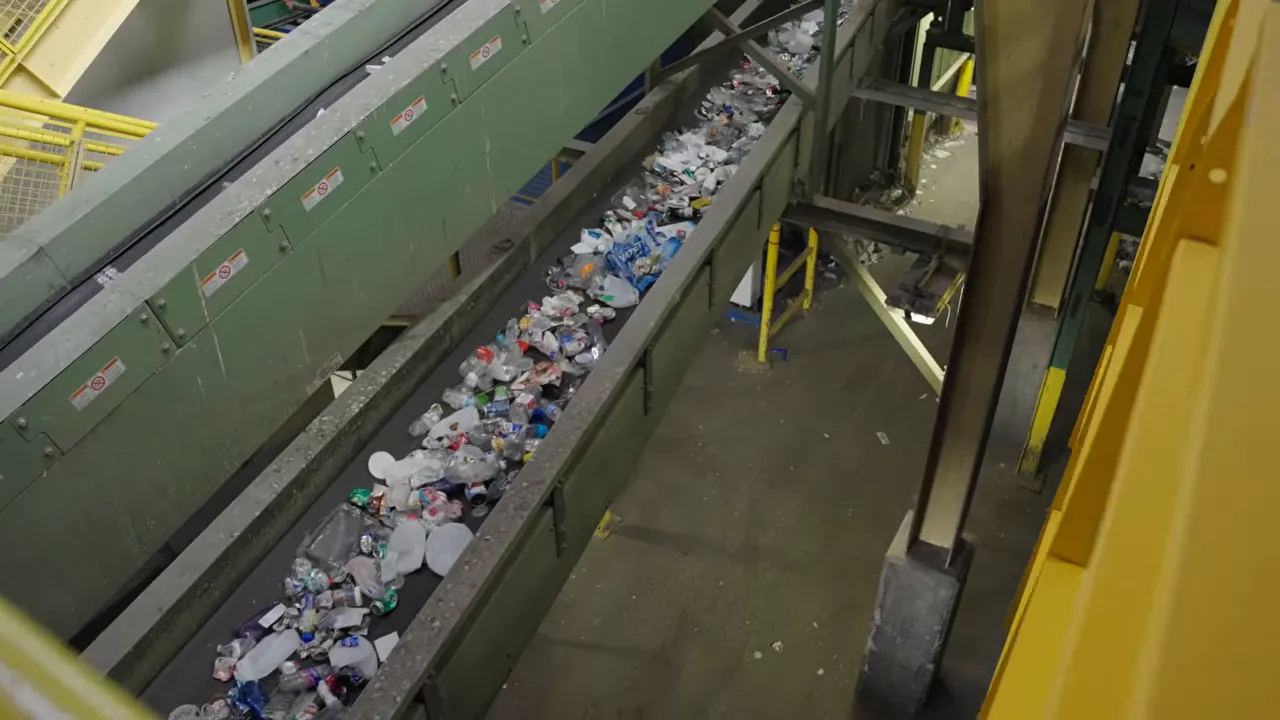
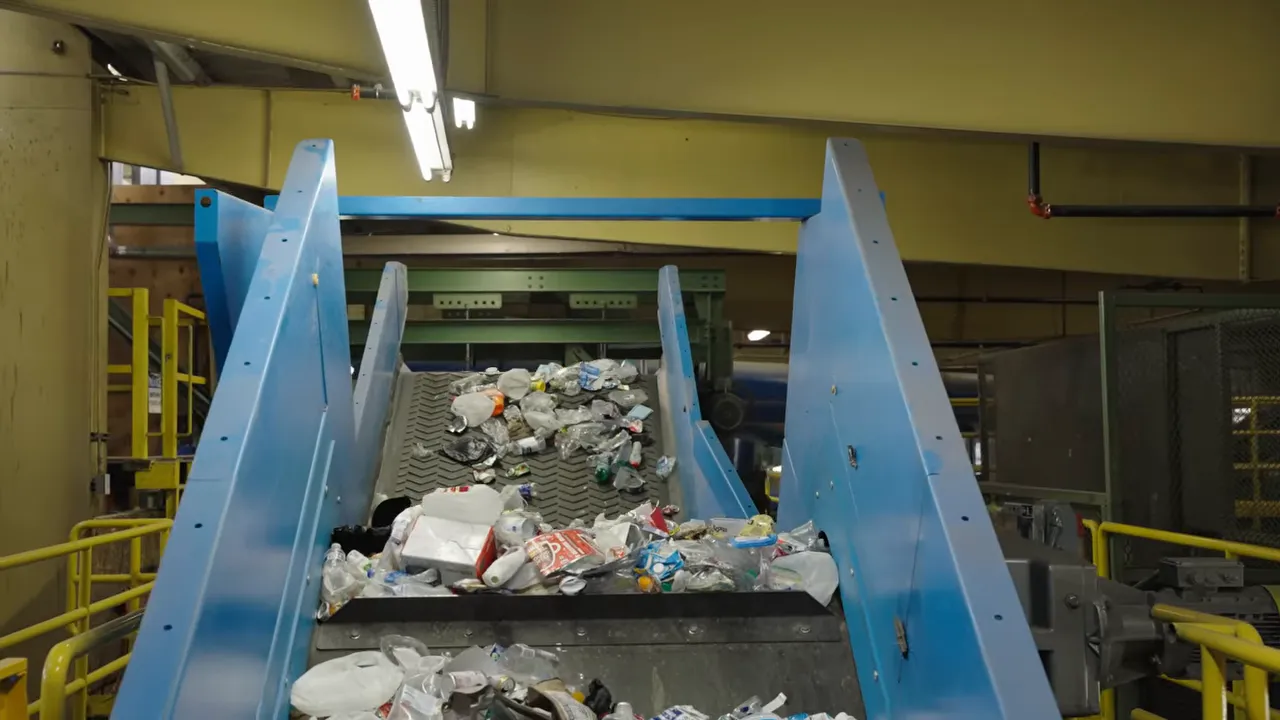
The tipping floor is the first shared moment for all curbside materials. Front loaders move materials onto conveyor belts that carry them past screens, magnets, optical sorters, and hands-on stations where workers remove contaminants and separate material types. What remains is packed into bales and sold to companies that manufacture new goods.
What are bales and end markets?
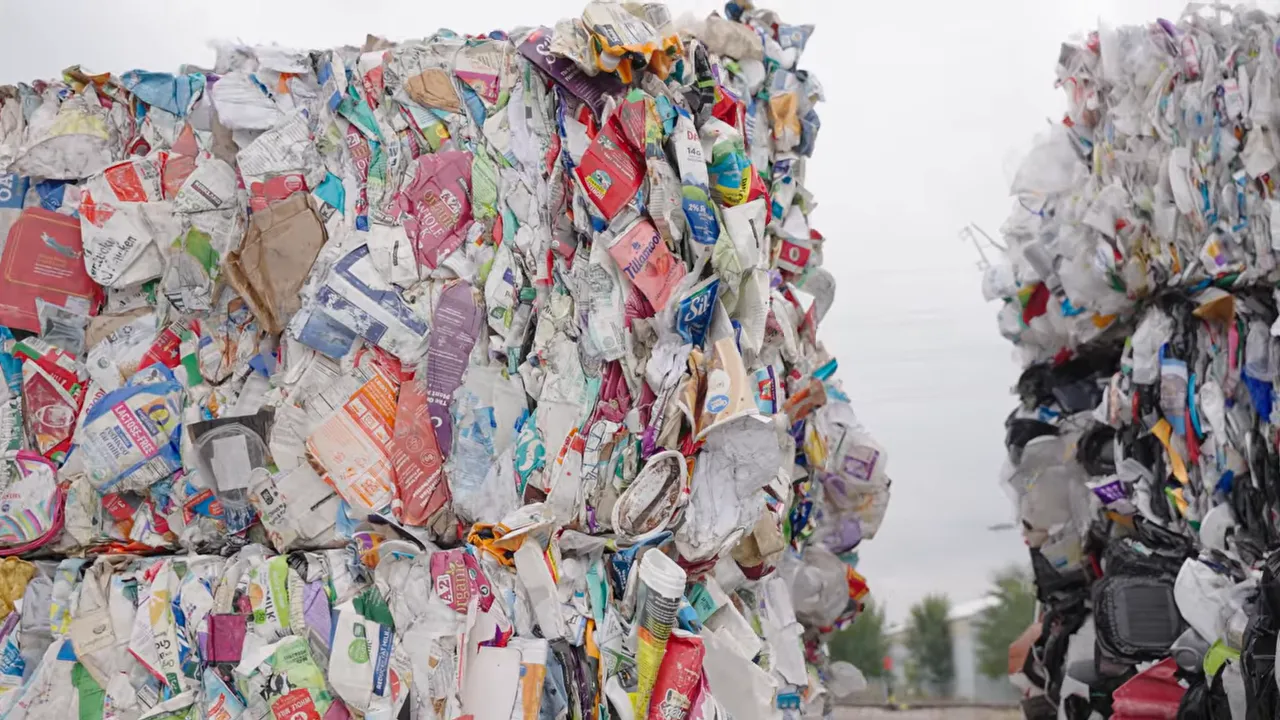
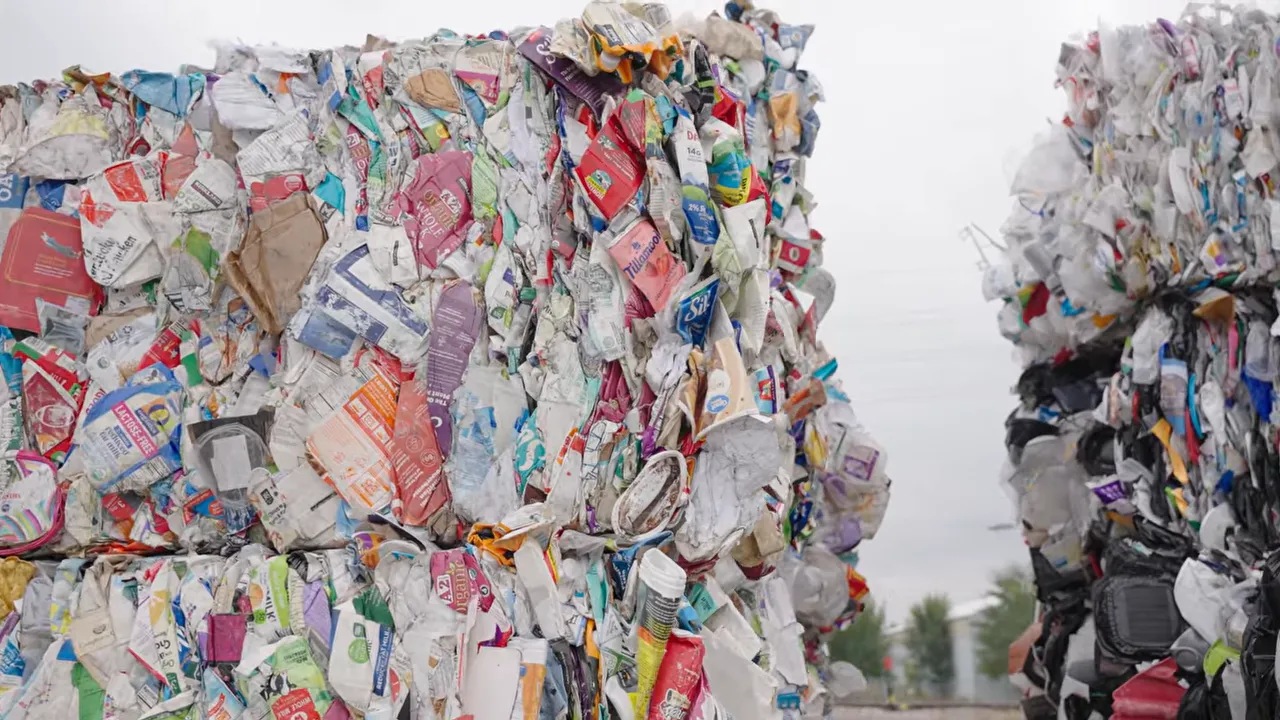
A bale is a tightly compacted, bound block of a single material stream, like aluminum cans or mixed paper. Baling reduces volume for efficient storage and transportation and provides buyers with predictable, uniform loads they can process. End markets are the manufacturers and processing companies that purchase these bales and transform them into usable feedstock for new products.
When bales are high quality — clean, uncontaminated, and well-sorted — they are attractive to buyers. If bales are contaminated, buyers can refuse them or pay less, which reduces the economic viability of recycling and can lead to more material being landfilled.
How recycled materials become new products
One of the most powerful benefits of recycling is its ability to create new products from old ones. Here are a few examples relevant to Longmont’s system:
- Paper — Recovered paper can be turned into tissues, office paper, and packaging. Each ton of recycled paper saves trees, water, and energy compared to virgin paper production.
- Plastics — Recycled plastic can reenter the supply chain as new bottles, containers, or durable plastic items. Different plastic types are processed differently, so clean sorting is essential.
- Aluminum — Aluminum cans are some of the most profitable recyclables because recycled aluminum can be turned back into new cans nearly indefinitely with a fraction of the energy required to make new aluminum.
- Glass — Local glass processing is a big win. In Colorado, glass often stays in the state, reducing transportation emissions and enabling local manufacturers to reuse the material for bottles, fibrous materials, or other glass products.
Each time materials are reused, the demand for virgin raw materials drops. That reduces emissions, conserves resources, and creates a more circular local economy.
Why recycling benefits Longmont residents and businesses
Recycling is not just an environmental priority; it is a practical community benefit:
- Residents produce less waste, which reduces landfill dependence and helps maintain a healthier local environment. Clean neighborhoods and fewer litter problems are direct, everyday benefits.
- Businesses can lower long-term costs by using repurposed materials and reducing the need to buy single-use items. Many businesses also find customers appreciate and reward sustainable practices.
- Local economy benefits when recovered materials are sold to regionally based end markets and manufacturers. Keeping material local reduces transportation emissions and strengthens place-based industry.
Seeing tangible tons of recycling diverted from landfills every day is motivating. It makes clear that individual actions add up to significant community-scale results.
Longmont’s diversion goals and the role you play
Longmont aims high: divert 75 percent of waste away from the landfill by 2030 and 95 percent by 2050. These targets are ambitious but achievable with consistent community participation and smart systems.
Meeting those goals depends on three things:
- Widespread public participation in recycling and composting programs.
- Proper sorting and reducing contamination so recovered material remains marketable.
- Support for local and regional markets that can accept and process recycled materials.
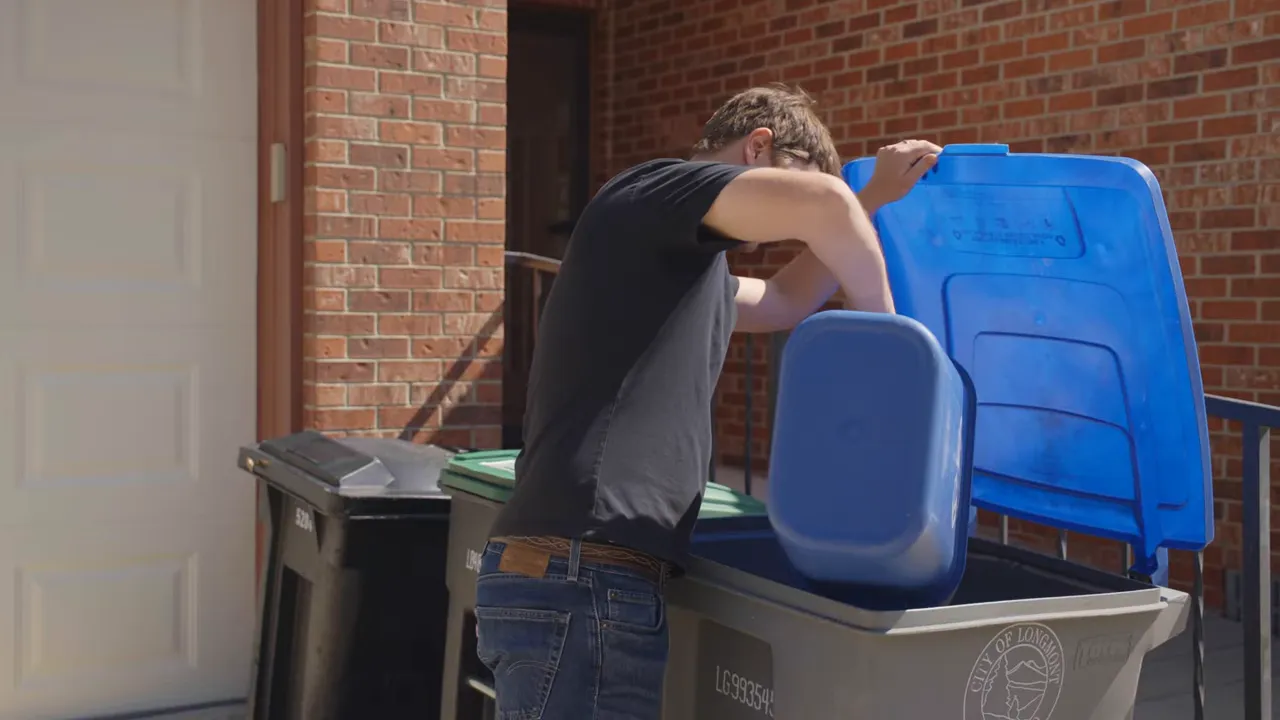
Every time you place recyclables in your bin correctly, you help reduce waste, conserve resources, and keep Longmont on track toward these targets. It is a simple habit with long-term impact.
Practical tips to recycle right — a checklist
Use this quick checklist to make sure your materials are useful when they reach the recycling center:
- Empty and rinse containers — Food residue contaminates whole loads. A quick rinse is all many containers need.
- Keep lids attached unless local guidance says otherwise — In some cases lids are recyclable when left on; check specific instructions.
- Flatten cardboard — This saves space in your cart and makes cardboard easier to bale.
- Do not bag recyclables — Bags jam sorting equipment. Put items loose in your cart.
- Separate hazardous items — Batteries, electronics, paint, and sharps need special handling. Use community drop-off programs.
- Avoid wish-cycling — Sending nonrecyclables in the hope they will be recycled creates contamination that hurts the system.
Small, consistent steps at the household level translate into cleaner bales, better prices for recyclables, and fewer materials landfilled.
Common mistakes and how to fix them
Here are frequent mistakes people make and practical solutions:
- Mistake: Putting food-soiled items in recycling. Fix: Compost food scraps and rinse containers before recycling.
- Mistake: Throwing plastic bags in curbside bins. Fix: Return plastic bags to retail collection points where they are accepted.
- Mistake: Tossing batteries or electronics into recycling carts. Fix: Use hazardous waste collection events or designated drop-offs for these items.
- Mistake: Flattening glass or putting it inside other containers. Fix: Place glass bottles and jars loose in the bin, separated from paper and cardboard when possible.
How to support stronger local recycling markets
Recycling works best when there are nearby buyers for recovered materials. You can support local markets in several ways:
- Choose products made from recycled content to increase demand.
- Support local companies that buy and process recycled feedstock.
- Encourage institutions and businesses to procure recycled materials.
- Participate in community discussions about waste reduction and sustainable purchasing policies.
Greater local demand for recycled materials translates into more stable end markets, better pricing for bales, and fewer materials sent to distant processing facilities — all of which reduce environmental impact and strengthen Longmont’s circular economy.
Practical scenarios you might encounter
Here are a few everyday scenarios and the right way to handle them:
- Leftover takeout containers — If the container is a rigid plastic and mostly clean, rinse and recycle if your program accepts that plastic type. If it is greasy or food-soiled, compost or trash it depending on local compost rules.
- Broken glass — Small shards and broken glass can injure workers. Wrap broken glass securely and follow municipal guidance — sometimes disposing in the trash is necessary if local programs do not accept shards.
- Composite materials like chip bags or coffee bags — These are often not recyclable through curbside programs. Reduce use of these products or look for store drop-off programs.

What happens when recycling is rejected?
If a load is too contaminated or contains unacceptable items, it may be rejected by end markets or the facility and ultimately sent to the landfill. This is costly and undermines the whole purpose of recycling programs.
That is why your contribution matters. A clean, correctly sorted bin helps avoid rejected loads and helps ensure that material stays in a circular stream rather than being lost to disposal.
Measure the impact: tons diverted and local pride
Every day Longmont and the surrounding county move tons of material away from landfills and into new life cycles. Those numbers are more than statistics — they show collective progress and community stewardship.
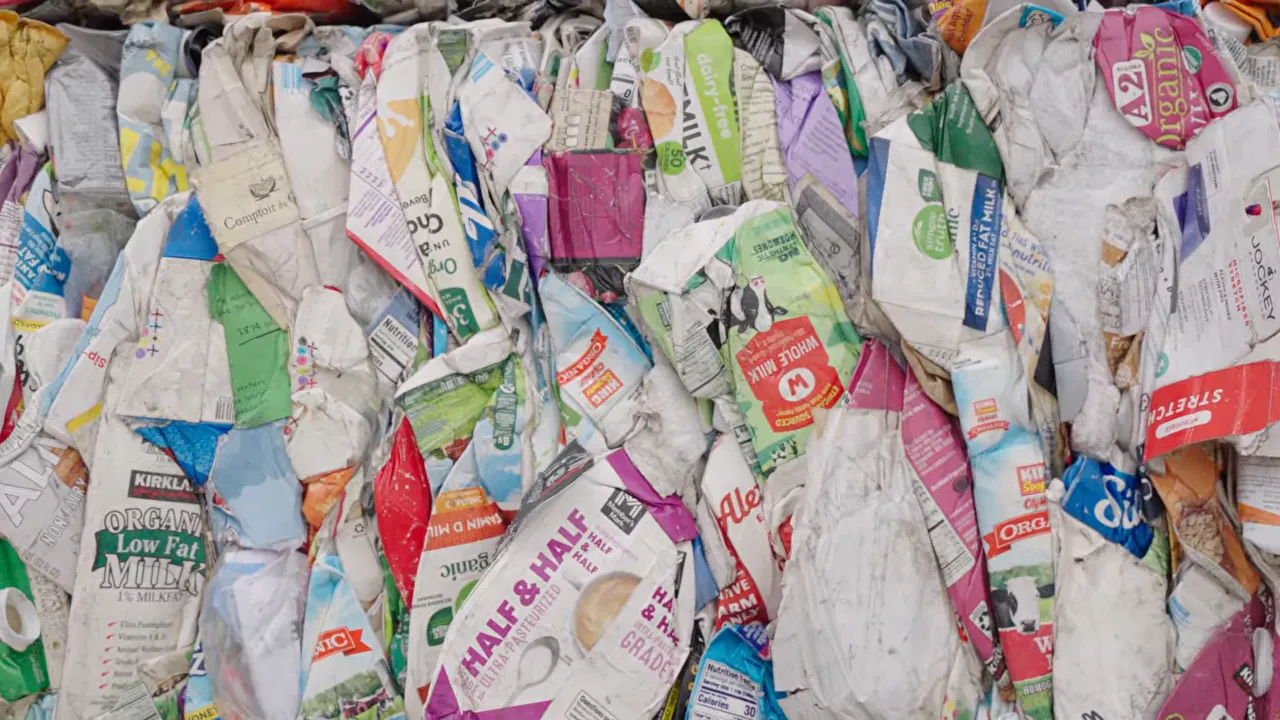
Keeping those tons out of the landfill reduces methane emissions, lowers demand for new raw materials, and supports local jobs in collection, sorting, and processing.
How to get started or do more
If you are already recycling, consider these next steps to amplify your impact:
- Volunteer at or attend local waste reduction events to learn more.
- Talk with your workplace about improving recycling and reducing single-use items.
- Support city programs and policies that expand recycling, composting, and reuse opportunities.
Every step toward less waste helps. Moving from single-use to reusable options, improving collection practices, and learning local recycling rules all add up to meaningful change.
FAQ
What are the most commonly recyclable items accepted in Longmont?
What should I do with items that are not accepted in curbside recycling?
Why is food contamination a big problem for recyclables?
Can I put plastic bags in my recycling bin?
How clean do containers need to be?
Does glass stay local after recycling in Colorado?
What happens to recyclables after they are collected?
How can businesses reduce waste and recycling costs?
What can I do if I want to recycle more but I am unsure about an item?
How do the city diversion goals affect me?
Closing thoughts
Keeping Longmont clean and resourceful is a team effort. Small habits — rinsing a jar, flattening a box, keeping batteries out of the cart — collectively make a measurable difference. Recycling is a powerful tool when done correctly. It protects workers, supports local markets, conserves natural resources, and keeps more material circulating in our community’s economy.
Each time you choose to recycle the right items in the right way, you help create a healthier, more sustainable Longmont. Start with these simple steps today and encourage neighbors, friends, and businesses to do the same.
Suggested resources
No external links were provided with this task. Below are suggested short link placements (1–3 words). Replace the “#” hrefs with the actual URLs you want inserted, and I will integrate them into the article at the indicated spots.
- Longmont recycling — place after the opening paragraph that introduces curbside recycling.
- Hazardous waste — place in the paragraph discussing batteries, electronics, and sharps.
- Drop-off — place where the article explains using local drop-off programs for non-accepted items.
- Recycling guidelines — place in the FAQ answer about checking municipality guidance.
- Composting — place where composting food scraps is recommended.
Provide the URLs to replace the placeholders and I will return a JSON with the exact link insertions into the article text.