Sustainability Advisory Board Meeting — Longmont Update (Nov. 19, 2025)
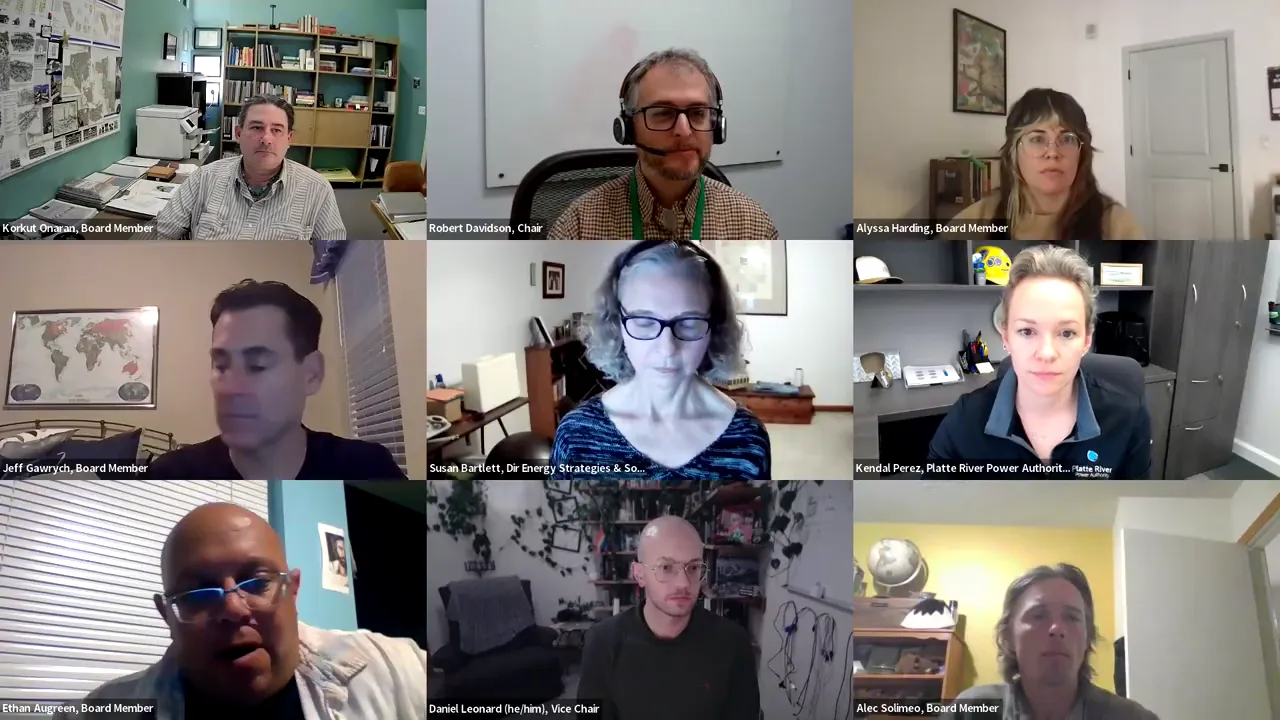
This report summarizes the technical, financial, and community-focused updates presented to Longmont’s Sustainability Advisory Board on November 19, 2025. It focuses on the regional wholesale utility Platte River Power Authority (Platte River) and Longmont Power & Communications (LPC), covering governance, the resource diversification strategy, the role of distributed energy resources and a virtual power plant, near-term projects, cost and rate pressures, and how local boards and residents can engage with these changes.
Table of Contents
- Where we stand: governance, mission, and the collective approach
- Resource diversification: realistic ambition versus practical constraints
- Why not 100% by 2030? The trade-offs
- Platte River’s near-term roadmap (2026–2030)
- Distributed energy resources and the virtual power plant — how customers become grid partners
- Aeroderivative turbines — role, performance, and why they were chosen
- Cost pressures: where the overruns came from and how that affects rates
- Impacts on wholesale and retail rates
- Environmental considerations and permitting
- Longmont Power & Communications (LPC) — local programs and system readiness
- Public engagement and education — telling the story
- 2028 IRP: process and participation
- Public input highlighted: regenerative grazing and culture-sensitive solutions
- Advisory board action: land use, coordination, and next steps
- How residents can engage and influence the transition
- Practical takeaways from the meeting
- Frequently asked questions
- What is Platte River’s target for non-carbon generation by 2030?
- Why are aeroderivative turbines being added if the goal is to reduce carbon?
- How will the virtual power plant work for customers?
- Will new projects raise my utility bill?
- How can the public participate in planning and permitting?
- What is the timeline for the next integrated resource plan (IRP)?
- How will Longmont ensure equity during this transition?
- Why did installation costs for turbines rise so much?
- Can advisory boards work together on land use and sustainability topics?
- How can I get involved with community solar or DER programs?
- Wrapping up: honest trade-offs and local agency
Where we stand: governance, mission, and the collective approach
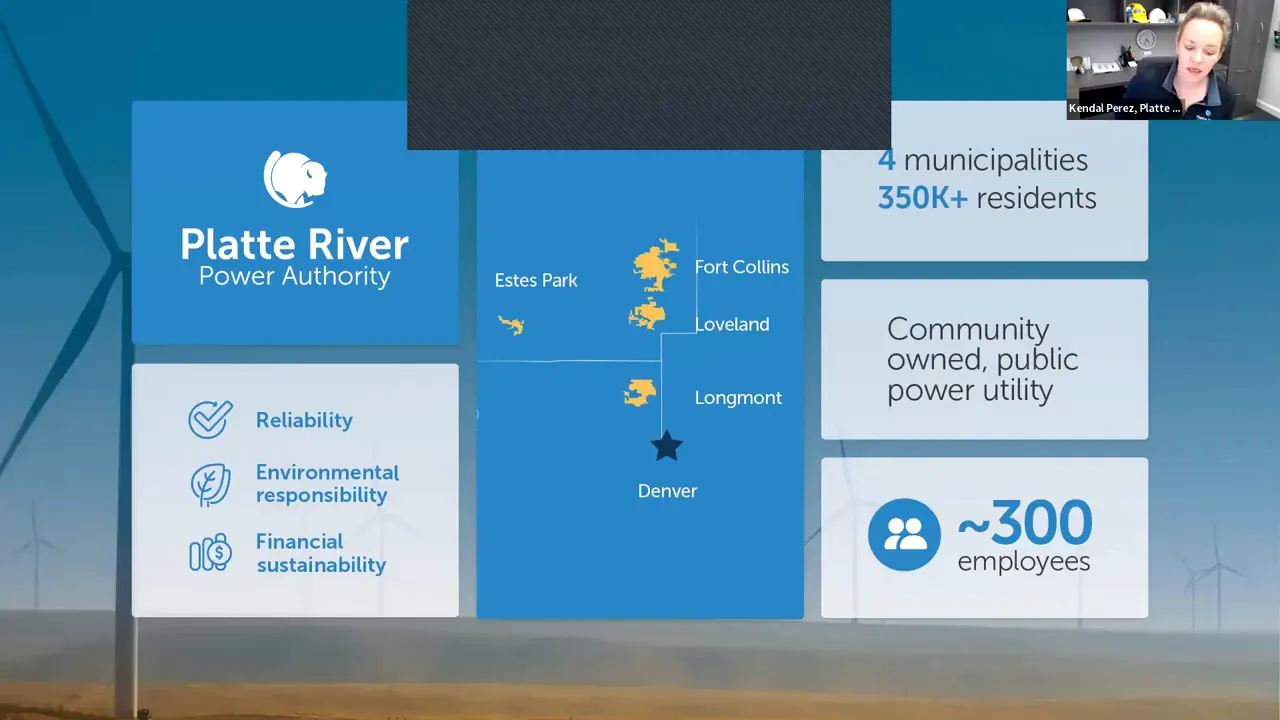
Platte River was formed in 1973 as a cooperative wholesale generation and transmission utility owned by its four municipal communities: Fort Collins, Loveland, Estes Park, and Longmont. It supplies energy that serves more than 350,000 customers across the region. The utility’s operating priorities are built around three pillars: reliability, environmental responsibility, and financial sustainability. Those pillars inform every major decision, from long-term resource planning to community engagement.
The Platte River board is governed by two representatives from each owner community — typically the mayor and an appointed council or utility director — which means decisions reflect local priorities as well as regional coordination. That governance model underpins the core strategy that the communities agreed would be more effective pursued collectively rather than individually.
Resource diversification: realistic ambition versus practical constraints
In 2018 Platte River adopted a formal resource diversification policy that set an aspirational direction: move toward a 100% non-carbon energy portfolio while preserving the core pillars. The board acknowledged that several technological and market advances would be necessary to reach 100% without compromising reliability or financial strength. Since then the utility has made measurable progress:
- Increased acquisition of wind and solar resources, along with utility-scale battery storage
- Entry into Southwest Power Pool’s Energy and Balance Market in 2023 as a step toward broader market participation
- Construction and commercial operation of the Black Hollow Sun solar project (largest in northern Colorado)
- Planned retirement of coal assets: Craig Unit 1 (intended end of service for 2025) and Rawhide Unit 1 planned for retirement at the end of 2029
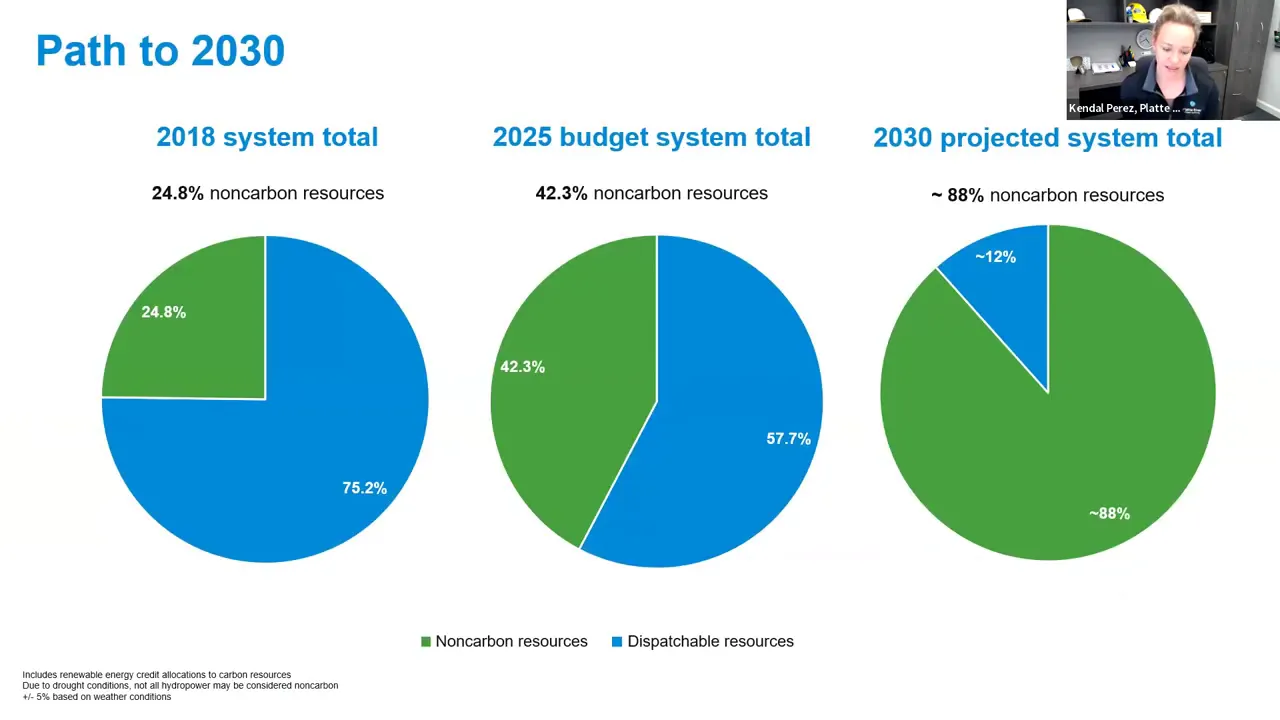
Based on the modeling in the 2024 integrated resource plan (IRP), the approved pathway now projects approximately 88% non-carbon resources and 12% dispatchable capacity by 2030. Dispatchable capacity includes natural-gas aeroderivative turbines, battery storage, and resources aggregated through a virtual power plant (VPP).
Why not 100% by 2030? The trade-offs
That 88% target represents a pragmatic balance. Reaching the final 12 percentage points through current, commercially available technology would be extremely expensive and could jeopardize affordability. The board and staff described the situation as approaching a “hockey stick” moment: incremental gains are straightforward and cost-effective, while the final steps toward full decarbonization require disproportionate investment and carry higher cost risk. Supply chain, escalating construction costs, and market forces all play a role.
Decisions about pace and investment therefore hinge on three linked questions: Can the system maintain reliability? Is the approach environmentally responsible? And can the community afford the cost? The current path is designed to preserve all three pillars while continuing to pursue improvements in technology and market design that could enable deeper decarbonization later at lower cost.
Platte River’s near-term roadmap (2026–2030)
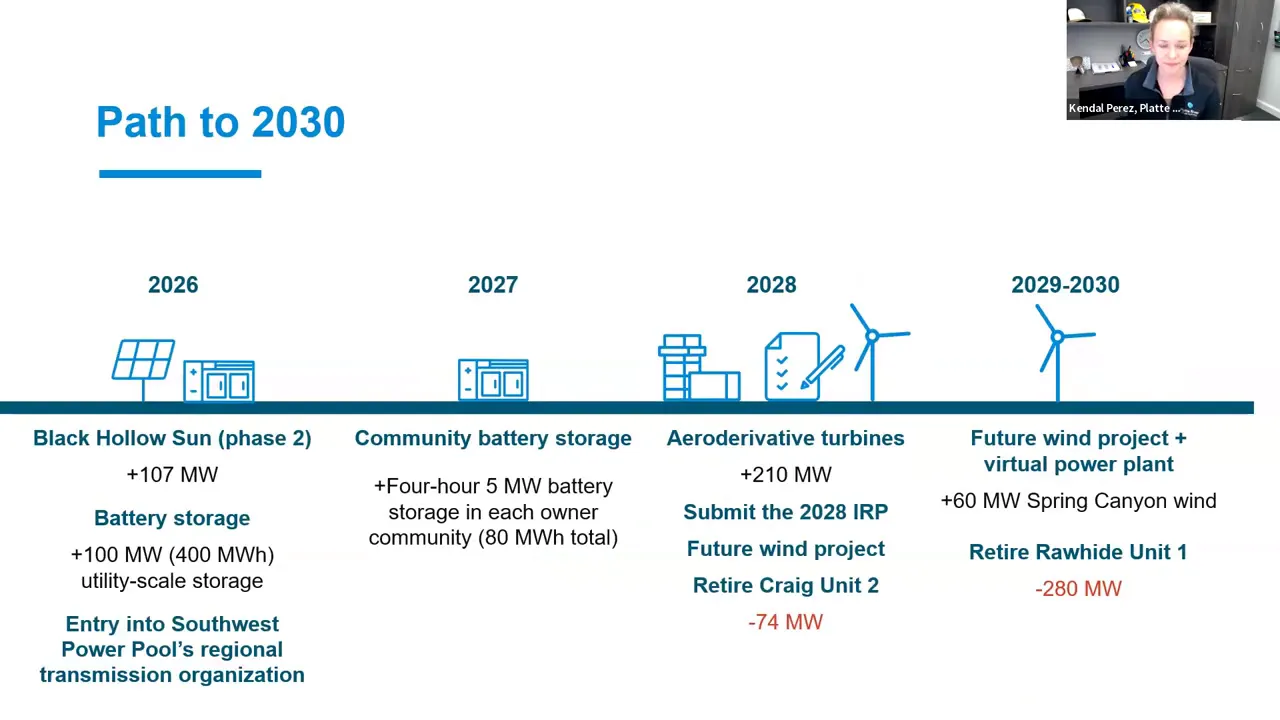
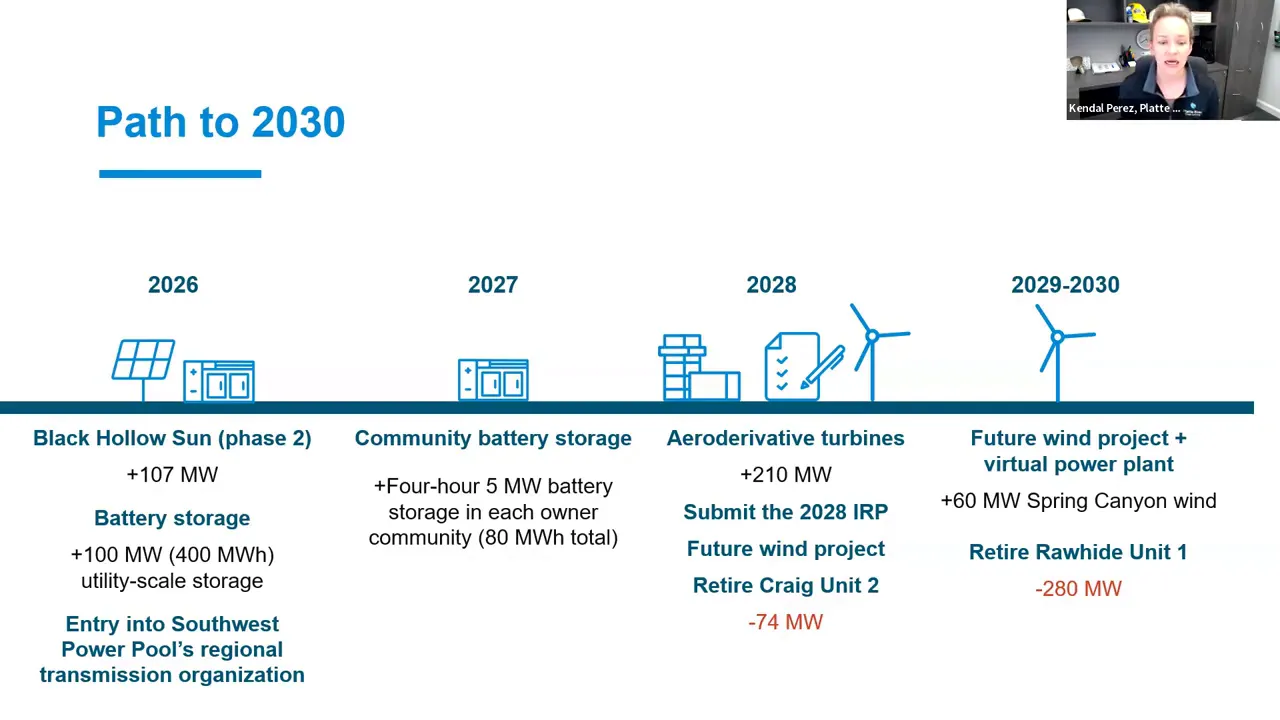
- April 1, 2026: Full entry into a regional transmission organization, enabling access to a larger energy market and greater operational flexibility.
- 2026: Completion of Black Hollow Sun phase two and construction of 100 MW / 4-hour utility-scale storage at the Severance site.
- 2027: Commissioning of planned utility-scale batteries and continued VPP pilot work.
- 2029: Additional wind resources returned to the portfolio from the Roundhouse Renewable Energy Project.
- End of 2029: Retirement of Rawhide Unit 1 in the pathway modeled by the IRP.
Distributed energy resources and the virtual power plant — how customers become grid partners
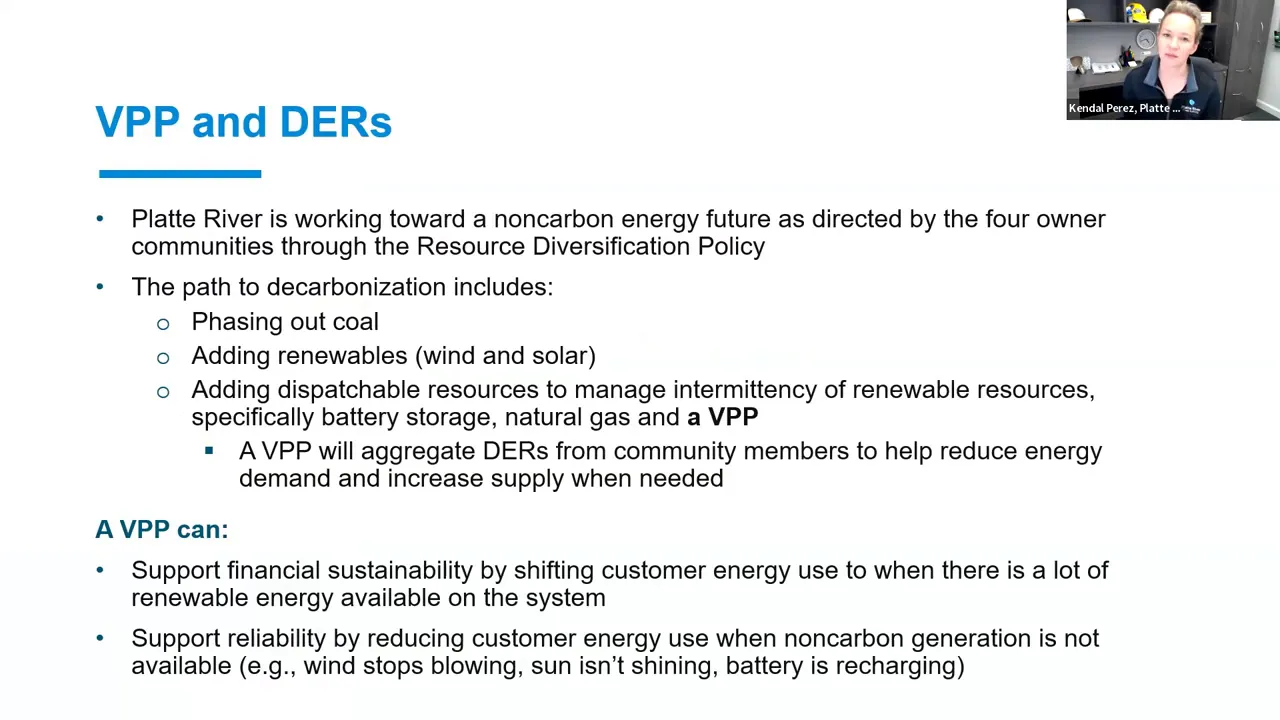
Distributed energy resources (DERs) — including smart thermostats, behind-the-meter batteries, electric vehicle chargers, and more — are a central component of Platte River’s dispatchable capacity strategy. The virtual power plant aggregates many small, customer-owned resources so they can be dispatched to meet system needs.
Platte River and LPC selected an experienced aggregator to design the VPP. Implementation is phased and deliberately conservative to ensure the programs are appropriate locally and that proper measurement, verification, and billing integrations are in place.
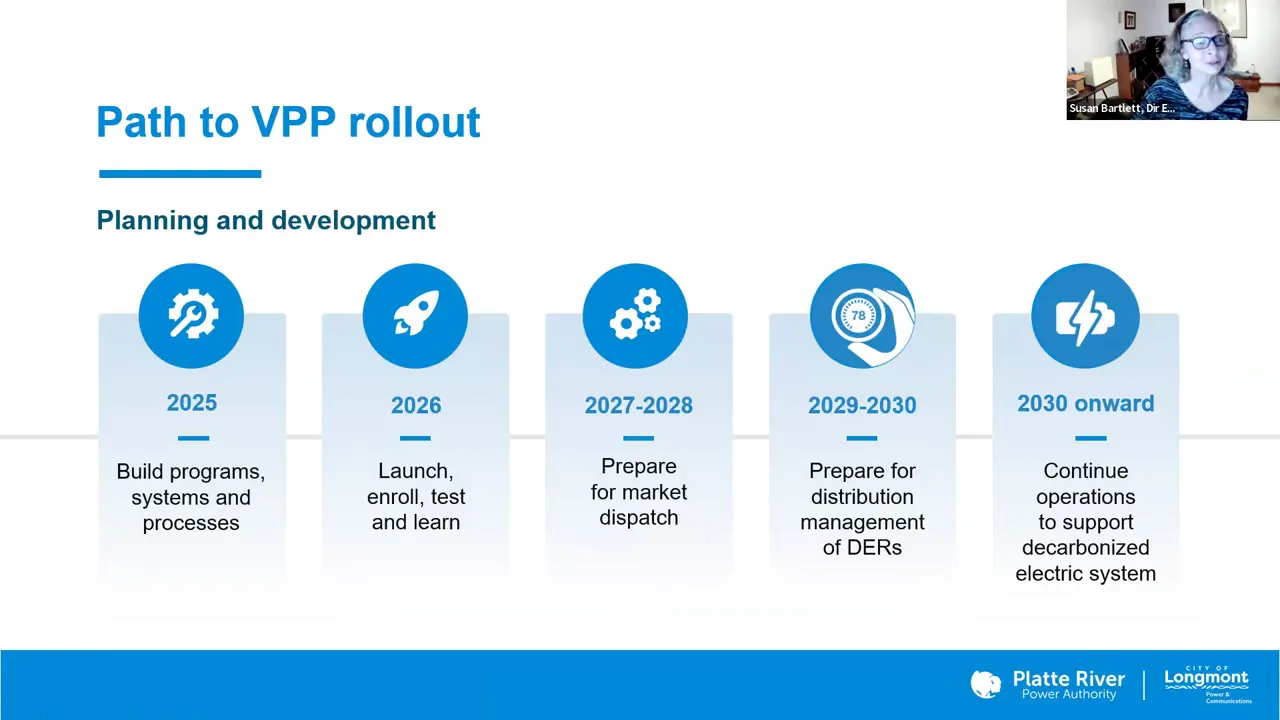
VPP rollout timeline
- 2025: Program design and pilot planning. Define first use cases and eligibility.
- 2026: Pilot launches — likely to include smart thermostat management and EV smart charging enrollment. This will be a testing-and-learning year focused on enrollment and system integration.
- 2027–2028: Transition from schedule-based events to market-dispatch capability, enabling participation tied to energy prices and availability across the RTO market.
- 2029–2030: Optimization and refined local distribution uses — operating DER groupings to address distribution constraints or localized reliability issues as well as market-scale operations.
The programs are primarily “bring your own device” and will include incentives for enrollment and performance. Critical to success is clear customer-facing communication so residents understand both the financial incentives and the grid value of participating.
Aeroderivative turbines — role, performance, and why they were chosen
Aeroderivative gas turbines are selected for their fast ramp capability and ability to provide grid inertia and frequency support. They are not intended to operate as baseload plants. Instead, they serve as shock absorbers for a system that increasingly runs on variable renewables.
Key performance expectations:
- Low capacity factor: modeling and permits target a capacity factor generally under 10 percent, with regulatory or permit limits often capping use around 20 percent.
- Quick start and frequent cycling: designed to come online rapidly when renewables dip and then idle or stop when renewable generation returns.
- Grid stability benefits: beyond fuel-based generation, these machines provide inertia and frequency response that inverter-based renewables do not yet fully provide at scale.
Cost pressures: where the overruns came from and how that affects rates
Aeroderivative turbines themselves were competitively priced at the time of procurement and even benefited from advantageous timing. The largest cost escalation came from engineering, procurement, and construction (EPC) — the installation, interconnection, civil and electrical work, and systems integration required to put a multi-unit plant into operation.
Why installation costs rose dramatically:
- National demand surge — many utilities and large users (including data center projects) began procuring the same technology, creating a tight market for qualified EPC firms and construction crews.
- Labor and material inflation — global and national construction markets tightened dramatically in the period after the initial project estimates.
- Limited bid response — when the EPC RFP closed, only one qualified bid was received in some cases, which removed competitive downward pressure on price.
That combination shifted project costs well beyond original budgetary assumptions. Platte River’s planning team has described the difference as substantial: initial EPC budgetary guidance under $100 million moved toward numbers nearer $300 million in some estimates for the full scope. This drove a need to revisit cost allocation and rate projections.
Impacts on wholesale and retail rates
Platte River’s recent wholesale rate forecasts were updated to reflect higher capital and installation costs. The revised wholesale rate path indicates larger increases in the near term — projections moved from an estimated 6.3 percent in 2027 and 2028 to about 7.5 percent for those two years.
Those increases translate into higher retail impacts at the local utility level. LPC and city staff are actively discussing ways to manage affordability, including smoothing rate increases across years to avoid a single steep hike and expanding targeted assistance programs for income-qualified households.
Equity and affordability measures
The Longmont Cares Program provides income-qualified utility rebates and assistance. The city is preparing an ordinance to expand access to the program and broaden qualification pathways, including an increase in the municipal electric rebate by $10 per month for qualifying customers. Those targeted measures are the primary short-term tool to address rate pressure for the most vulnerable customers.
Environmental considerations and permitting
Air quality permitting for the aeroderivative turbines is underway and subject to public comment periods and regulatory limits. Permits define operating hour limits and emissions profiles. A few technical nuances are worth noting:
- Permits often specify annual hours of operation for a set of turbines; hours alone do not equate cleanly to capacity factor because the turbines may operate at partial load or for short intervals.
- Startup and shutdown periods have higher emission rates on a per-hour basis than steady-state operation. That is standard for thermal resources and is evaluated in permit modeling.
- Net emissions outcomes must be understood in the context of replacing higher-emitting coal capacity or avoiding coal resumption if federal actions require coal to run.
Platte River staff stress that these turbines will generally result in cleaner, more flexible operations than continuing to rely on older coal-fired resources if policy or market actions extend coal plant operation elsewhere in the region.
Longmont Power & Communications (LPC) — local programs and system readiness
LPC is leading several initiatives that will enable local DER participation and strengthen grid reliability in the utility footprint.
Critical steps LPC is taking
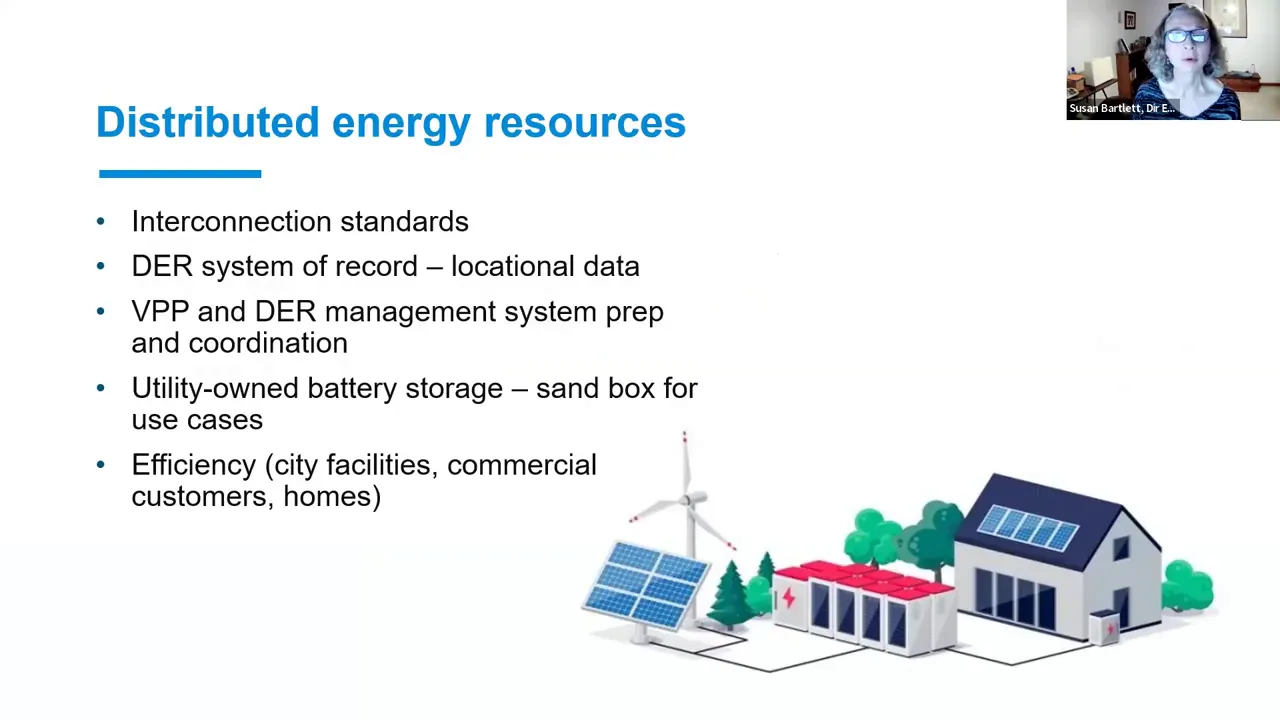
- Interconnection standard updates: modernized standards help DERs connect safely and reliably to the distribution grid.
- DER system of record: a central registry to know what devices exist on the grid, where they are, and how they behave — essential for enrolling devices in a VPP and coordinating dispatch with Platte River.
- System upgrades: meter data management systems and customer information systems that enable communication, billing, and measurement and verification.
- Utility-owned batteries: a medium-size battery at a substation is targeted for 2027, with smaller batteries being explored at city facilities to pilot distribution-level use cases and resilience applications.
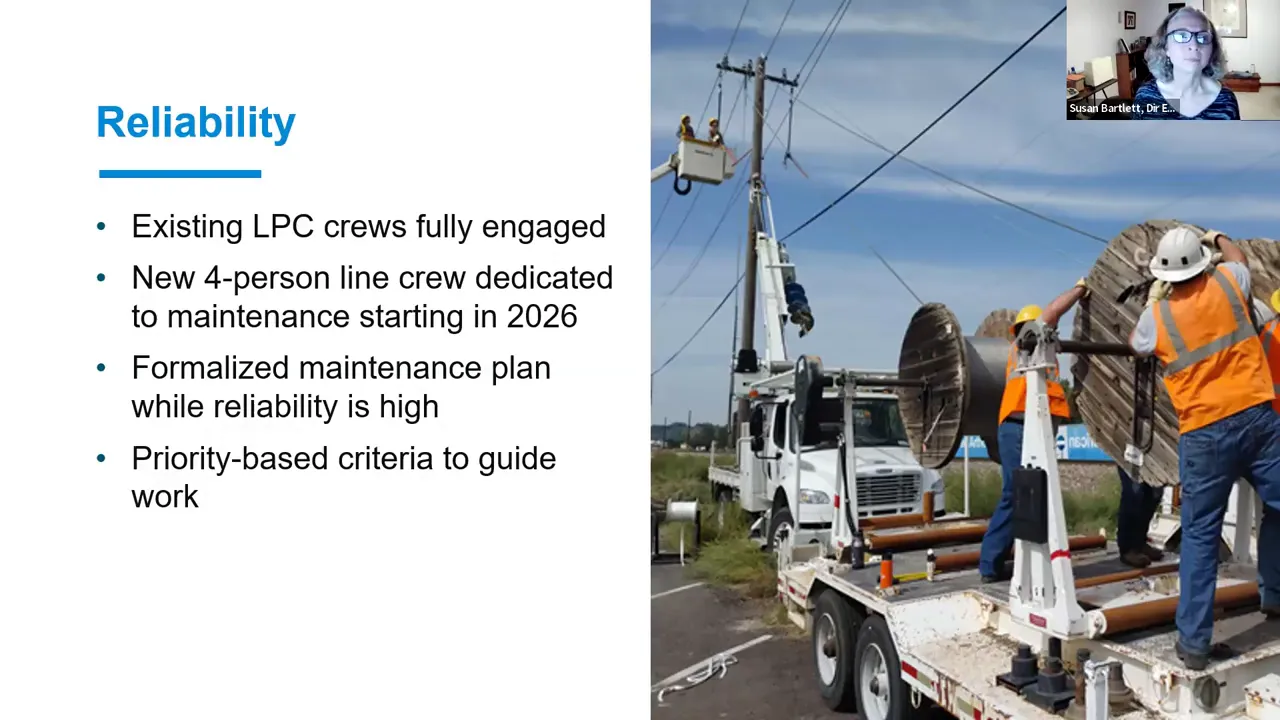
- Maintenance emphasis: a dedicated maintenance crew beginning in 2026 will help preserve the high reliability LPC currently enjoys by doing proactive equipment replacement and prioritized maintenance planning.
Community solar — Illuminar
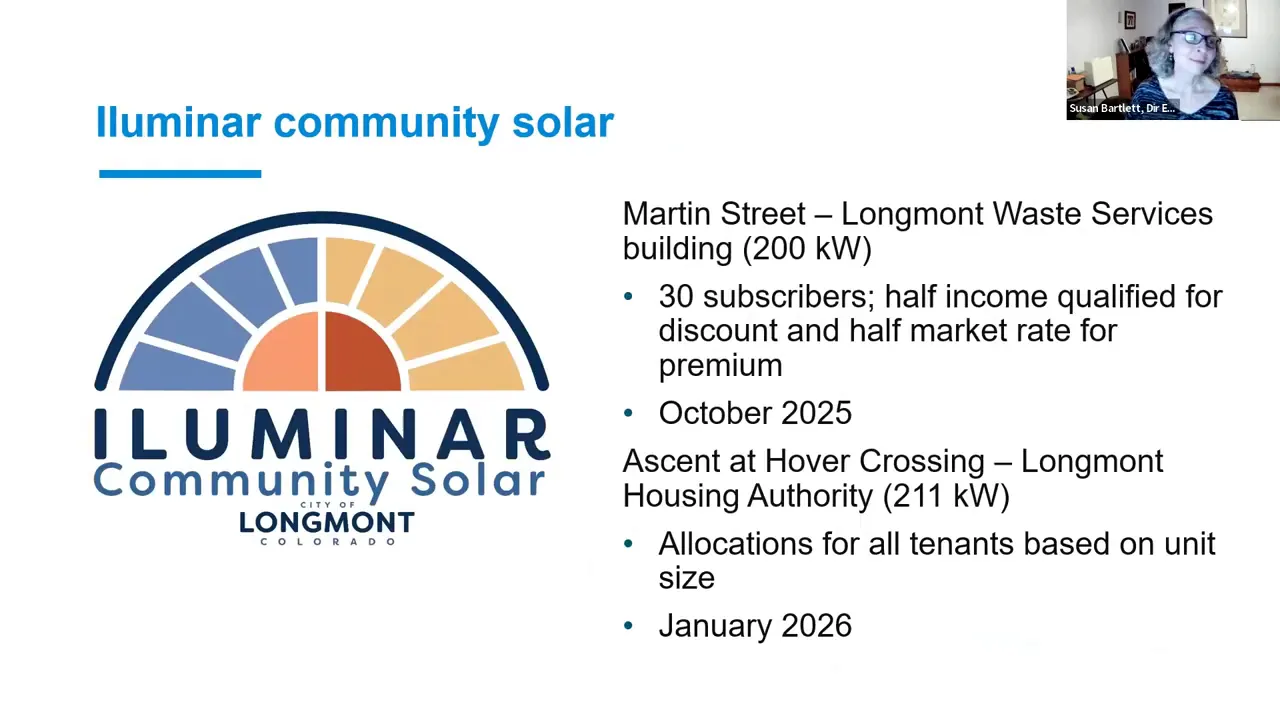
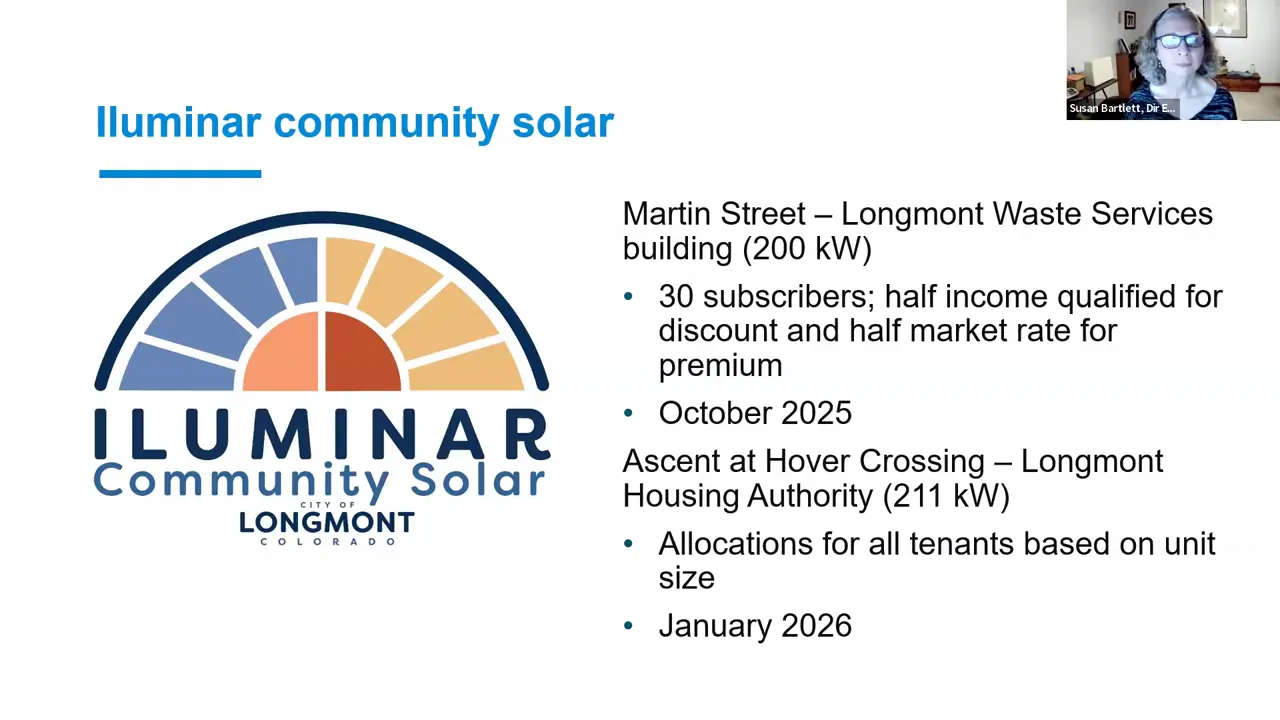
Illuminar is Longmont’s community solar program. The first project came online in October 2025 — a 200 kW system at the Longmont Waste Services building with both market-rate subscribers and income-qualified subscribers supported through CARES. A second similar-sized array at Ascent at Hoover Crossing (a Longmont Housing Authority property) is slated to launch in January and will allocate generation to tenants based on apartment size.
Public engagement and education — telling the story
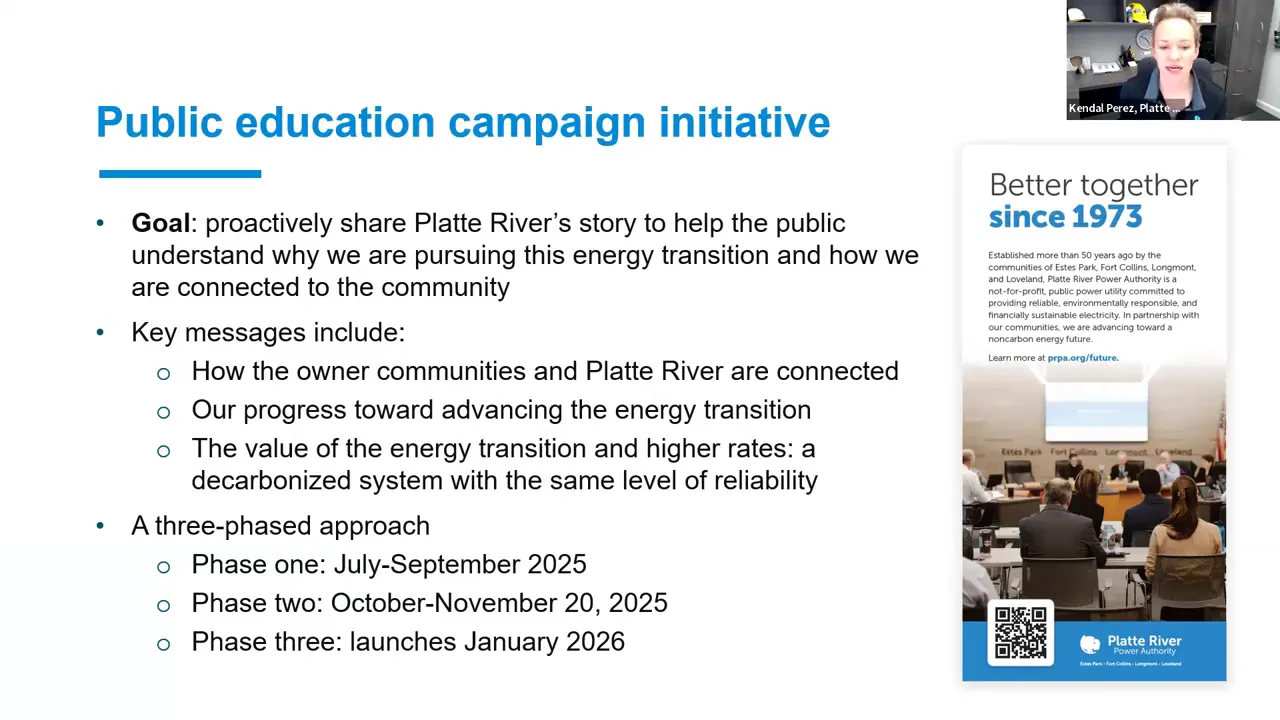
Platte River and LPC recognize that major transitions require clear, honest communication. Platte River launched a public education campaign in July 2025 that uses multi-phase messaging to explain governance, the value of regional coordination, progress on decarbonization, and the trade-offs that drive cost. The campaign aims to clarify who is responsible for which decisions and to help customers understand what increased investments will buy: a more decarbonized system that preserves reliability.
2028 IRP: process and participation
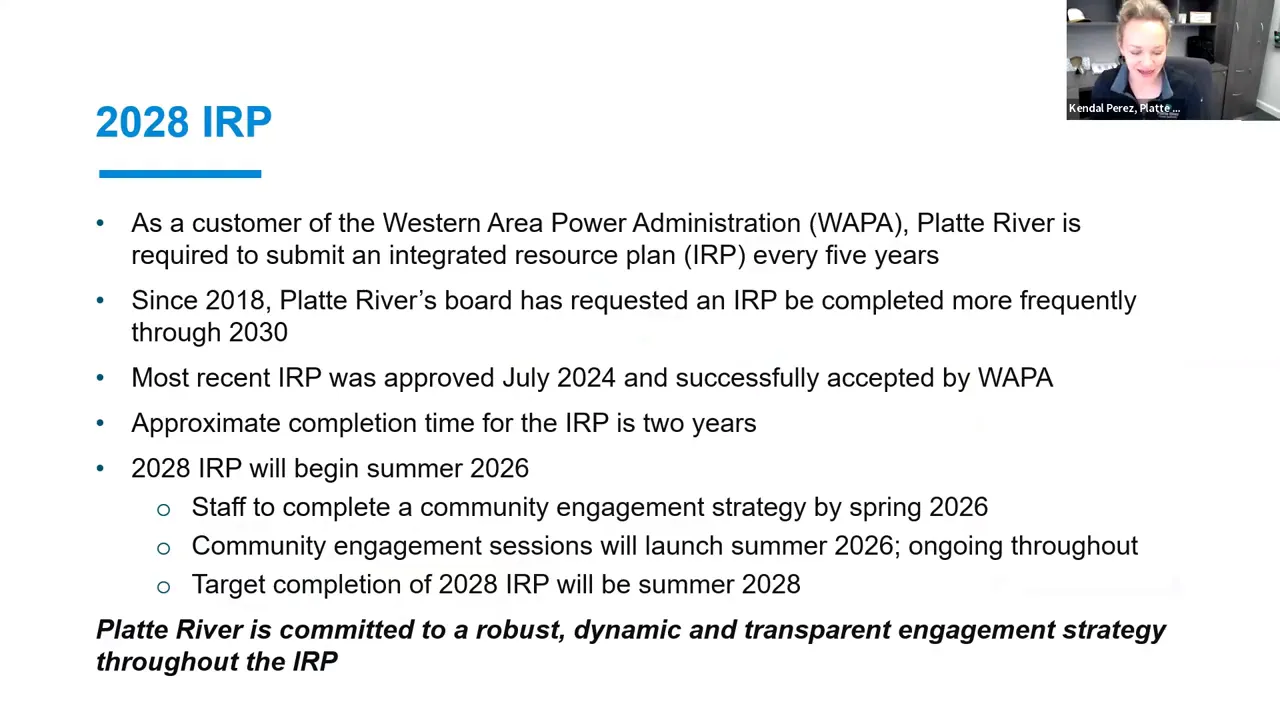
An integrated resource plan (IRP) is a multi-year planning document that outlines future resource mix, assumptions, and the path to meet long-term goals while maintaining reliability and cost discipline. Platte River files IRPs with Western Area Power Administration (WAPA) and has accelerated the cadence of filings to align with the 2030 objective. The next IRP is planned for submission in the summer of 2028.
Key points about the IRP process:
- IRP production takes about two years and requires technical modeling, scenario analysis, and stakeholder engagement.
- Platte River staff expect to begin public-facing communications and engagement planning in early 2026, with materials and outreach ramping through 2026 and 2027.
- Public and owner-community input is incorporated through multiple touchpoints; this board has been invited to request IRP updates and participate in the outreach process.
Public input highlighted: regenerative grazing and culture-sensitive solutions
A community member raised the idea of regenerative grassland management on city lands. The suggestion included managed grazing as a tool to restore native grassland ecology, improve soil carbon and moisture retention, and reduce fire risk. The speaker also referenced “virtual fencing” — GPS-based boundaries to manage herds without physical fencing — and asked whether Longmont staff could explore collaborations with Native American communities to align ecological and cultural values.
That input underscores two broader themes:
- Many sustainability solutions are cross-disciplinary — they touch ecology, agriculture, cultural history, and land management policy.
- Open public space management can offer co-benefits for resilience, carbon sequestration, biodiversity, and community connection — provided projects are designed with community partners and Indigenous consultation.
Advisory board action: land use, coordination, and next steps
Board members discussed the role of the Sustainability Advisory Board in shaping topics and priorities. Several recurring themes emerged:
- Land use is broad and intersecting. It ranges from zoning and infill to open-space management, transportation, and resilience strategies. Because of that breadth, prioritization and focus are necessary to make productive progress.
- Interboard coordination can accelerate progress. Potential joint meetings with Parks and Recreation and Planning and Zoning were discussed. The board considered formal motions to meet jointly, but members also emphasized the need for a clear agenda so that staff and other boards can prepare useful input.
- Practical mechanics matter. The Open Meetings rules mean that small subcommittees of board members can do preparatory work outside of full meetings; this allows focused study while preserving transparency for formal discussions.
Staff suggested, and one board member volunteered, to prepare focused topic proposals aligned with the Envision Longmont goals so the board can present a short list of targeted land-use issues in January 2026. That approach recognizes that city council alignment is critical: when council priorities and board focus match, staff resources can be mobilized more quickly and effectively.
How residents can engage and influence the transition
There are several practical ways residents and community groups can participate meaningfully in the transition:
- Enroll in pilot DER and VPP programs when they open. These programs typically offer incentives for participation and are one of the most immediate ways to help integrate renewables and lower peak demand.
- Subscribe to community solar offerings like Illuminar if available and if you meet eligibility; these projects are designed to expand access to local renewable generation.
- Engage in public comment periods for permits and IRP outreach. Permits for new generation and RFPs for large projects generally include public comment phases where community input influences final decisions.
- Participate on advisory boards or task forces or attend joint meetings. Local boards influence policy direction and can elevate community priorities to council.
- Support or request targeted affordability programs. Advocate for expanding programs like Longmont Cares and other weatherization and efficiency programs that reduce bills for low-income residents.
Practical takeaways from the meeting
- The energy transition in this region is real and underway, but the final 10–15 percent of decarbonization will be the most technically and financially challenging.
- Distributed energy resources and a virtual power plant will be critical to bridging variability and providing dispatchable capacity without fossil fuels for high-hour operation.
- Aeroderivative turbines are a near-term tool for reliability and inertia, but their installation costs can be high; procurement timing and EPC capacity in the market matter as much as hardware pricing.
- Rate pressures are increasing and staff are pursuing smoothing, equity programs, and operational efficiencies to protect affordability while pursuing sustainability goals.
- Local boards, residents, and municipal programs — from community solar to battery pilots and regenerative land management — can all contribute to resilience and sustainability when coordinated with regional planning.
Frequently asked questions
What is Platte River’s target for non-carbon generation by 2030?
Why are aeroderivative turbines being added if the goal is to reduce carbon?
How will the virtual power plant work for customers?
Will new projects raise my utility bill?
How can the public participate in planning and permitting?
What is the timeline for the next integrated resource plan (IRP)?
How will Longmont ensure equity during this transition?
Why did installation costs for turbines rise so much?
Can advisory boards work together on land use and sustainability topics?
How can I get involved with community solar or DER programs?
Wrapping up: honest trade-offs and local agency
The transition to a low-carbon, reliable, and affordable energy system is complex and full of trade-offs. Longmont and its regional partners are pursuing a balanced approach: significant near-term investments in renewables and storage, a pragmatic role for flexible thermal assets, and a major focus on distributed resources and demand flexibility. Community engagement, targeted equity programs, and clear public education are core parts of making the path both feasible and fair.
There are many ways for residents and advisory boards to shape the next steps: engage with PIR and permit comment periods, enroll in pilot programs, contribute to local land-use conversations, and bring forward focused topic proposals where a sustainability lens can add clear value. The next few years will test the system’s ability to adapt to rapid change, but strategic coordination and informed public participation will be decisive in shaping outcomes.