Longmont Boards & Commissions – Art in Public Places – November 2025 Meeting Highlights
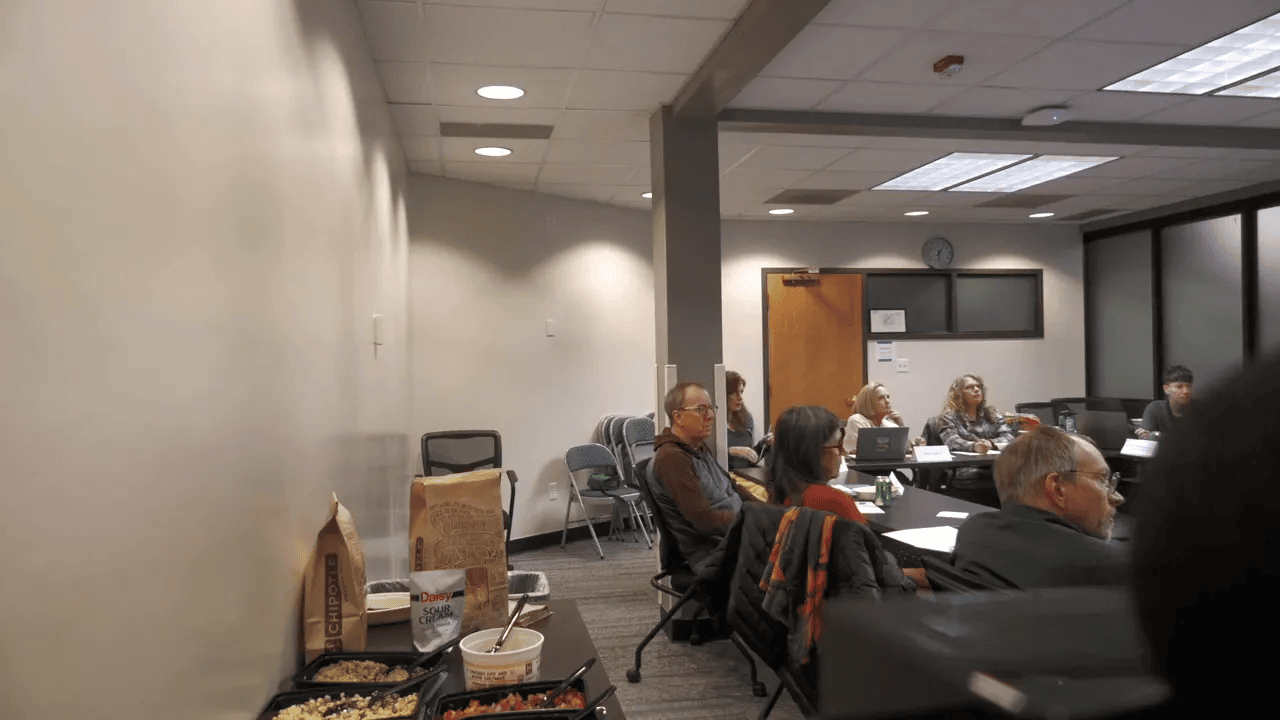
The commission met to review and refine the process for selecting public art for a neighborhood bus stop project currently referred to as CoolStock. The meeting focused on the selection process, scoring rubric, budget and site logistics, and a few administrative updates about upcoming meetings and city initiatives.
Table of Contents
- Project brief: transforming a bus stop into a cool, safe public place
- What artists must include in their proposals
- How the selection process and scoring work
- Budget, site, and infrastructure notes
- Administrative decisions and community events
- Ongoing projects and important updates
- Practical tips for artists and commissioners
- FAQ
- Final note
Project brief: transforming a bus stop into a cool, safe public place
The project goal is straightforward and ambitious: transform a bus stop with vibrant public art that functions as a bus shelter providing shade, enhancing safety, and revitalizing public space. The piece should champion sustainability and community resilience.
- Primary objectives: provide shade, improve safety, and create a visually engaging stop that serves the neighborhood.
- Climate action lens: designs should demonstrate resiliency through adaptation and be mindful of changing climate conditions.
- Visual acceptability: the artwork must be suitable for general viewing while still being interesting and bold.
- Budget expectations: proposals must include a detailed budget and show value appropriate to the size and scope of the work.
What artists must include in their proposals
To be competitive, proposals should clearly and concisely explain the concept both visually and verbally. The submission should include:
- Design drawings or renderings that address shade and shelter.
- A written concept statement focused on community benefit and climate resilience.
- A detailed budget that includes a 10 percent contingency line.
- Materials, fabrication notes, and any maintenance considerations.
How the selection process and scoring work
Artists will present live; each has 20 minutes including Q and A. The commission uses a one-to-five scoring matrix with defined criteria, but there is also room for instinct—trusting your gut is recognized as part of evaluation. To keep comparisons fair, commissioners are encouraged to wait until all presentations end before assigning scores.
- Presentations: 20 minutes each, with at least 5 minutes reserved for questions.
- Question protocol: write questions on paper and hand them in during the presentation so artists’ time is respected.
- Scoring: one to five scale; the matrix is available for note taking and should be used only after seeing all proposals.
- Bias mitigation: commissioners were reminded to set aside confirmation bias and treat each proposal on its own merits.
Budget, site, and infrastructure notes
Budget cap for the selected artwork is $25,000. That sum covers concept, fabrication, and delivery. The city will separately fund and coordinate the site infrastructure such as footers and any right-of-way adjustments, and the city handles installation logistics to navigate the easement complications.
Additional site considerations:
- Power: there is a light pole located near the stop; if an artist needs power the city’s utilities team may be able to assist.
- Lighting and solar: there is interest in adding lighting. There is also a potential lead on solar panels and batteries through a local vendor, although such equipment would be handled separately from the $25,000 artwork budget.
- Right-of-way easement: because the site is within an easement, the city retains responsibility for concrete footers and installation permits.
Administrative decisions and community events
The commission voted to cancel the December meeting this year unless pressing business arises. Instead of a December gathering, the group plans a casual holiday get-together in January at the Parkway Food Hall and will use a doodle poll to find the best date. The food hall has been popular because it offers flexible seating and accommodates dietary needs easily.
Ongoing projects and important updates
Several operational and program updates were discussed that affect current public art in the city and future opportunities.
- Artist contracts and exclusivity: An artist request to place a piece similar to one already in the collection raised the commission’s 100-mile rule. The commission has historically enforced a radius policy to avoid duplicating unique works in close proximity. Commissioners reaffirmed that precedent when reviewing a recent request.
- Art on the Move loan program: The commission is preparing a call for entries and will present charter changes to City Council on January 13 that include adjustments to temporary budget limits and an expanded definition of public art to include more contemporary media. Pieces currently on display may be offered to the commission for purchase if artists are interested in selling.
- Clover Meadows landscaping: A recent native seed planting did not take; weeds moved in instead. The plan is to re-landscape, install new pavers, and deliver large boulders to seven locations where updated labels will be attached.
- Countryside volunteer opportunity: The commission will coordinate a community paint-by-number event with local kids. Volunteers are welcome to help with painting and outreach.
Practical tips for artists and commissioners
Clear proposals and practical details matter. Keep these points in mind when preparing or evaluating submissions:
- Clarity: Explain how the work creates shade, increases safety, and serves the public realm.
- Budget transparency: Show materials, fabrication, delivery, and a 10 percent contingency.
- Durability and maintenance: Use materials appropriate for exposure in a right-of-way and note maintenance expectations.
- Ask targeted questions: Clarify materials, installation needs, and timeline during the Q and A period.
- Document your notes: Recording will be turned off for procurement confidentiality, so bring paper and record your impressions and questions for later reference.
FAQ
What is the total budget available for the bus stop artwork?
What must be included in an artist proposal?
Who handles installation and site footers?
Can artists include lighting or solar in their proposals?
How are presentations and scores handled?
Will there be a meeting in December?
Final note
Good public art balances creative ambition with practical realities. This project centers shade and resilience, and the commission emphasized fair process, transparent budgets, and community benefit. If you are preparing a proposal, focus on clarity, durability, and how the work supports a cool, safe, and inviting public realm.