
Historic Preservation and Practical Compromise: The Future of Bo Prairie Farms (Nishida Property)
The conversation about Bo Prairie Farms number two—often referred to by its historic name, the Nishida property—brings together history, engineering realities, and the question of how a city preserves memory when the physical fabric is failing. Longstanding agricultural roots and important cultural ties to Japanese immigrant farming families meet modern drainage maps, sewer easements, and future road expansions. The outcome was not a simple save-or-demolish decision. It was a negotiated path: acknowledge loss of structural integrity, remove unsafe buildings when necessary, and commit to preserving the story through intentional commemoration.
Table of Contents
- Where the site stands historically
- Why structures cannot realistically be preserved on site
- Commemoration as a preservation strategy
- Annexation, timing, and enforceability
- What the commission decided
- How to make commemoration meaningful
- Practical next steps for the project team
- FAQ
- Closing thought
Where the site stands historically
Historic evaluation work going back to a 1997 state historic fund survey found the site eligible under Criterion A for association with post-World War II agriculture and the Japanese immigrant community that ran roadside produce operations in the Longmont area. That earlier evaluation even noted rare features such as a former bathhouse, and received official concurrence in 2000.
More recent review concludes the property no longer meets National Register or local landmark thresholds because the site has lost its physical and historic integrity. Nearly all of the buildings that once conveyed the farm’s story are gone or so altered that they no longer represent their period of significance. As one reviewer put it, the remainder of the site is mainly “deteriorated concrete pads that are very difficult to discern from the surrounding environment.”
Why structures cannot realistically be preserved on site
The decision to remove existing structures was driven by several overlapping constraints:
- Floodplain and drainage mitigation: The city’s drainage study mapped the property within a city floodplain. A planned mitigation approach requires excavation of a pond and the placement of one to three feet of fill across portions of the site. That change in grade would bury existing foundations and put every building under the new grade unless each building was lifted, foundations reconstructed, and the buildings reinstalled. City consultants judged that the cost of doing this was not reasonable given the current condition of the buildings.
- Sewer easement alignment: A sewer easement planned to serve neighboring properties runs directly through one of the intact storage buildings. That easement would conflict with keeping that structure in place.
- Future highway right-of-way: The alignment of a future, expanded Highway 66 encroaches on an existing Quonset-style building, in some places running through the building itself. That makes preserving that structure in its original location infeasible long term.
- Structural deterioration and vandalism: Several homes and outbuildings have been vacant for at least a decade, boarded and vandalized. Material loss, modern alterations, crumbling foundations, and extensive weathering significantly reduce the buildings’ integrity and value as preservation candidates.
Commemoration as a preservation strategy
When retaining historic buildings is not practical, preserving the story requires creativity and intentional design. The project team and the preservation commission agreed on a framework: the development will move forward, structures will be removed for safety and engineering reasons, and the developer will prepare a preservation-by-commemoration plan to be adopted through the annexation agreement.
“Historic preservation is not about just about buildings. Historic preservation is the preservation of history. It’s the stories. It’s the people. It’s what happened there.”
The concrete commitments discussed include options such as:
- Named public amenities — naming the neighborhood park, a main thoroughfare, or a library annex for the Nishida family.
- Interpretive displays — photographic panels, maps, and site diagrams inside a civic building or park shelter that visually reconstruct the farm layout and tell the Nishida family story.
- Interior commemoration — a small exhibit or reading wall inside a proposed library annex that includes archival photos, oral histories, and a timeline.
- Community-focused programming — community garden plots, interpretive signage, or annual events that honor the agricultural past and engage residents directly.
- Documentation — high-quality photographic and measured documentation (similar to Historic American Buildings Survey methods) so the visual and spatial record survives even if the structures do not.
Annexation, timing, and enforceability
The preservation-by-commemoration approach will be carried forward through the formal annexation agreement and the property’s concept plan. These mechanisms provide a legally binding place to spell out when and where commemorative elements will be provided and how the project must return to the Historic Preservation Commission for approval of the precise language and designs.
City staff and commissioners noted that conceptual commitments can be translated into enforceable conditions in the annexation agreement. The document may include phasing, required dedication of civic space, and a requirement that final commemorative language and designs come back before the commission prior to finalization. This creates checkpoints and reduces the chance that commemorative promises will be lost in future administrative steps.
What the commission decided
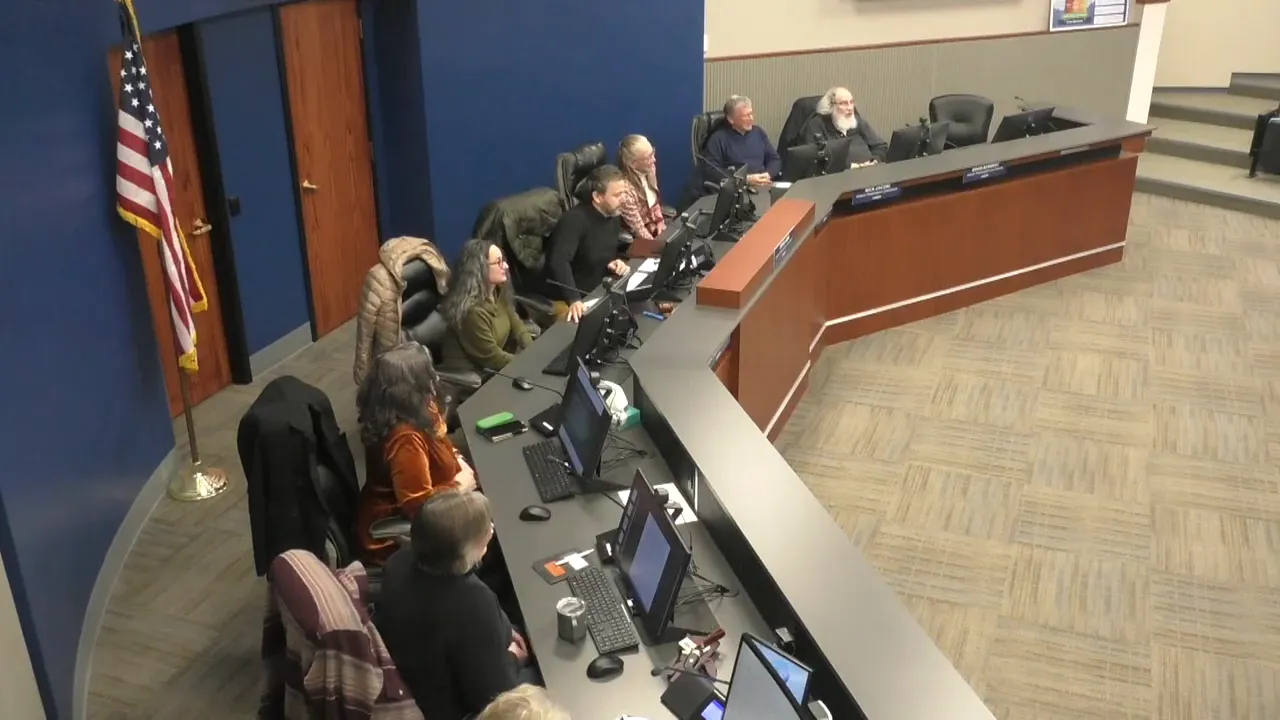
The Historic Preservation Commission moved to acknowledge that structures on Bo Prairie Farms number two are intended to be removed due to engineering and integrity constraints. The commission required that the owner and developer prepare a preservation-by-commemoration plan and return the exact annexation agreement wording to the commission for approval before the agreement is finalized. That motion passed unanimously.
How to make commemoration meaningful
Several practical suggestions emerged that strengthen any commemoration plan:
- Make the story visible: Combine photographs, a site map showing former building locations, and short interpretive text. People respond to images and spatial context more quickly than text alone.
- Place content where it will be seen: Interior exhibits (library annex, community building) protect artifacts and photos from weather and vandalism and provide opportunities for context-rich displays.
- Link commemoration to use: A community garden or periodic farmers market near the 10-acre park can connect the site’s agricultural past to present-day activities.
- Document thoroughly: Produce a formal photographic and measured record so future researchers or educators can reconstruct what was lost.
- Define timelines: Add reasonable but enforceable deadlines in the annexation agreement for delivery of commemorative elements or the opening of interpretive exhibits.
Practical next steps for the project team
To fulfill the commission’s expectations and to ensure the Nishida story is preserved and shared, the project team should:
- Draft clear annexation agreement language that commits to specific commemoration deliverables and phasing.
- Prepare a documented record of existing buildings, site layout, and oral or written family histories.
- Design interpretive elements with local historians, the Nishida family when available, and the commission’s input.
- Identify appropriate locations for exhibits and nameable civic features—prefer interior locations for long-term preservation when possible.
- Return to the Historic Preservation Commission for approval of the precise annexation language and interpretive design before finalization.
FAQ
Why are the buildings on the Nishida property not being preserved in place?
What will replace the buildings and how will the Nishida legacy be honored?
How will the commemoration be enforced and when will it happen?
Can any physical pieces of the farm be saved or relocated?
What can community members expect to see as the project moves forward?
Closing thought
When historic structures cannot survive the practical needs of flood mitigation, utilities, and safety, preserving the past still matters. A thoughtful, well-documented plan that goes beyond a name on a street sign to include visible, educational, and community-connected elements can make the Nishida family’s contributions part of the neighborhood’s daily life. The commission secured a commitment that the commemorative approach will be drafted, reviewed, and legally incorporated before the annexation is finalized. That means the story will be preserved even if the buildings are not.